Welcome to the land where beeping machines and nurse wizards work their magic—it’s the Post-surgical ICU! Here, patients embark on the thrilling journey of recovery, all while being monitored like celebrity guests at a quirky reality show. Buckle up as we dive into the essentials of this critical care haven, where every beep and whir tells an important tale of healing and recovery.
The Post-surgical ICU serves as a vital bridge between surgery and the comfort of home, ensuring that patients receive the top-notch care they need after undergoing significant procedures. Imagine a place where your well-being is the main event, filled with specialized equipment and a team dedicated to transforming your experience from ‘surgical blues’ to ‘I-can’t-wait-to-get-back-to-life’ cheers. From heart surgeries to orthopedic repairs, this sanctuary caters to various patients, making it a bustling hub of recovery.
Understanding Post-surgical ICU
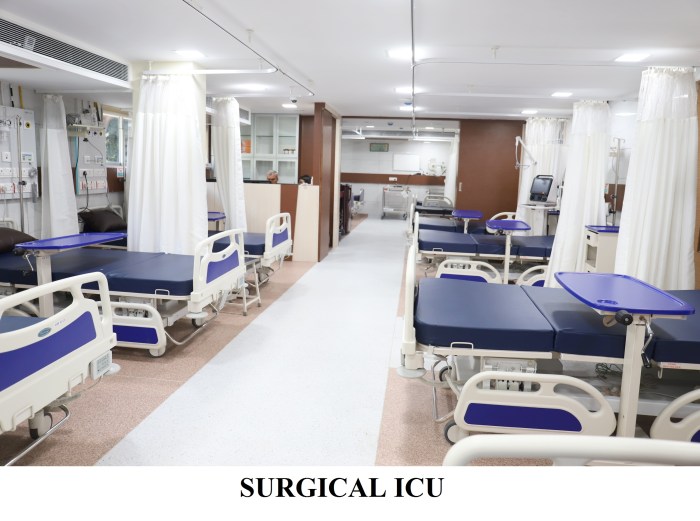
The post-surgical Intensive Care Unit (ICU) is the superhero sidekick that steps in after patients have undergone significant procedures, ensuring their recovery is smoother than a well-oiled machine. Think of it as the cozy nest where medical marvels happen, providing a safety net for patients who have just undergone surgeries that require vigilant monitoring. In the high-stakes world of surgery, this unit is staffed with skilled professionals ready to jump in at a moment’s notice, wielding their tools like medical ninjas.The post-surgical ICU plays a crucial role in patient recovery by providing specialized care and close monitoring.
This unit is not just a room with beds; it’s a hub of activity equipped with the latest technology designed to keep a watchful eye on patients who need it the most. After major surgeries, patients may experience complications or require intensive management of their post-operative care, making the ICU an essential component of their recovery journey.
Surgeries Requiring ICU Monitoring
Certain types of surgeries typically necessitate a stay in the post-surgical ICU due to their complexity and potential for complications. These procedures often involve significant risks and require continuous observation. The following surgeries usually land patients in the ICU:
- Open-heart surgery: A high-wire act that involves a lot of delicate stitching and maintains body functions while the heart is temporarily stopped.
- Organ transplants: Major operations where organs like kidneys, livers, or hearts are swapped out, making recovery like a thrilling game of “will it or won’t it work?”
- Neurosurgery: Operations on the brain or spine that demand constant monitoring, because we all know the brain is far too precious to leave unobserved.
- Major abdominal surgeries: Procedures such as colectomies or resections, which can leave patients in need of careful post-operative management.
Equipment and Technology in the Post-surgical ICU
In the post-surgical ICU, technology and equipment take center stage, playing a vital role in monitoring and assisting patient recovery. The advanced tools help ensure that patients get the best possible care. Here are some key pieces of equipment you might find in this high-tech environment:
- Monitors: These devices keep an eye on vital signs such as heart rate, blood pressure, and oxygen levels, providing real-time data that can alert staff to any changes. Picture a high-tech movie screen displaying the thrilling drama of patient recovery.
- Ventilators: For patients needing breathing assistance, these machines act like personal air conditioners for lungs, ensuring that every breath is as smooth as a gentle breeze.
- Infusion pumps: These gadgets deliver medications and fluids with pinpoint accuracy, ensuring patients receive their necessary treatments without any hiccups.
- Telemetry devices: These systems allow for remote monitoring of a patient’s vital signs, enabling nurses to keep tabs on multiple patients and swoop in like superheroes when needed.
In the post-surgical ICU, it’s all about fostering a recovery environment that is as safe as it is nurturing, allowing patients to regroup before they tackle the rest of their healing journey with gusto. With a combination of expert care and cutting-edge technology, this unit stands as a testament to modern medicine’s relentless pursuit of excellence and patient welfare.
Health Implications in Post-surgical ICU
The post-surgical intensive care unit (ICU) is a realm where every detail counts, and health implications can take on a life of their own. It’s a place where patients are monitored with the precision of a NASA mission control, and any underlying health issues can complicate recovery. Let’s delve into some notable health implications that can pop up like unexpected confetti at a surprise party, notably asthma, autism, and back pain management.
Asthma Complications in Post-surgical Recovery
Asthma is like that overly enthusiastic party guest who shows up uninvited and can make things a bit chaotic. In the post-surgical ICU, the presence of asthma can complicate recovery due to the potential for respiratory distress. Patients with asthma may experience increased respiratory demands following surgery, particularly if they were intubated or require supplemental oxygen. Managing these challenges is crucial for maintaining adequate oxygenation and preventing complications.
Consider the following factors in managing asthma patients post-surgery:
-
Consistent Monitoring:
Vital signs, particularly respiratory rate and oxygen saturation, should be closely monitored to catch any deviations early.
-
Medications:
Patients may require bronchodilators and anti-inflammatory medications to prevent or alleviate asthma attacks.
-
Triggers:
Identifying any potential triggers in the ICU environment—such as strong odors or dust—can help prevent exacerbations.
Connections Between Autism and Post-surgical Care Requirements
Patients with autism present a unique set of needs in the post-surgical ICU. Their communication styles, sensory sensitivities, and routines often differ significantly from typical patients, making tailored care essential. Understanding these nuances can significantly improve the overall experience and outcomes.Key considerations include:
-
Communication Strategies:
Familiar cues or visuals may be necessary to explain procedures or changes in care, ensuring patients feel secure.
-
Sensory-Friendly Environment:
Adjusting lighting, minimizing noise, and providing comfort items can help reduce anxiety for patients who may be overwhelmed.
-
Routine Maintenance:
Incorporating familiar routines can provide comfort and help in easing the transition to the ICU.
Management of Back Pain in Post-surgical ICU
Back pain management in the post-surgical ICU can be likened to trying to solve a Rubik’s Cube while blindfolded. It requires a multifaceted approach because patients may experience pain due to surgical trauma, positioning during surgery, or pre-existing conditions. Effective pain management strategies are essential to promote healing and comfort.Optimal management strategies include:
-
Medications:
A combination of analgesics and anti-inflammatory drugs can effectively address pain while minimizing side effects.
-
Physical Therapy:
Early intervention with physical therapy can help patients regain mobility, focusing on gentle movements that alleviate discomfort.
-
Environment Adjustments:
Proper positioning with supportive devices can significantly reduce discomfort and aid in recovery.
Critical Care in Post-surgical ICU

In the exhilarating world of post-surgical ICUs, monitoring patients is not just a job; it’s an art form! Picture a finely tuned orchestra where every beep, buzz, and chirp plays a crucial role in the symphony of recovery. Here’s a look into the essential procedures and whimsical care practices that help keep our recovering warriors on the right track.
Standard Procedures for Monitoring Patients
Monitoring patients in a post-surgical ICU is akin to being a detective on a high-stakes case. It involves a series of standard procedures aimed at keeping an eagle eye on vital signs and ensuring that every patient is on the road to recovery. The primary focus areas for monitoring in the post-surgical ICU include:
- Continuous heart rate and rhythm monitoring to detect any arrhythmias that might be trying to steal the spotlight.
- Blood pressure checks, which should be more stable than your morning coffee routine!
- Oxygen saturation levels—also known as the “breathability index” of the day.
- Urine output, because hydration is key, and no one wants to miss the ‘pee’ party!
- Temperature monitoring, ensuring that the patient isn’t too hot to handle or too cool for school.
The importance of these monitoring procedures cannot be overstated. They serve as a safety net, allowing healthcare providers to jump into action at the first sign of trouble, ensuring a smooth recovery for each and every patient walking—or wheeling—out of the ICU.
Importance of Psychological Support for Patients with Depression
When it comes to recovery, mental health is just as vital as physical health. Many patients experience depression post-surgery, often feeling isolated in their recovery cocoon. Providing psychological support can be the difference between a ‘meh’ recovery and a ‘wow, I’m alive!’ experience. Psychological support is essential for:
- Enhancing coping strategies, allowing patients to tackle their feelings like a ninja.
- Reducing feelings of isolation by connecting patients with support groups, friends, or even therapy llamas—because who doesn’t love a fluffy friend?
- Improving adherence to recovery protocols; it’s easier to follow doctor’s orders when you feel emotionally supported.
- Encouraging open communication about feelings and fears, making it easier to address issues before they snowball into emotional avalanches.
Implementing these support systems can create a nurturing environment that fosters emotional and psychological healing alongside physical recovery, proving that laughter truly is the best medicine—after proper healthcare, of course!
Health Interventions for Children with Developmental Disabilities Post-surgery
In the post-surgical world, children with developmental disabilities require tailored health interventions to ensure their recovery is as smooth as a slide down a rainbow. These interventions are crucial for helping young patients bounce back, both physically and emotionally. Some necessary interventions include:
- Customized physical therapy sessions that are as engaging as a game of tag at recess, allowing children to regain mobility and strength.
- Speech therapy to ensure communication is as clear as a bell, helping kids express their needs and feelings.
- Occupational therapy focused on daily activities, ensuring that recovery doesn’t come at the expense of playtime.
- Emotional support from child psychologists who can relate to their unique experiences, perhaps armed with puppets or playful storytelling techniques.
The integration of these health interventions not only aids in physical recovery but also enhances overall well-being, paving the way for a brighter, more colorful future for these young patients.
Last Word
In conclusion, the Post-surgical ICU isn’t just a step in the recovery process—it’s a launchpad for returning to the vibrant life you love. With a focus on tailored care, the latest technology, and even a sprinkle of emotional support, this is where healing meets high-tech wizardry. So, next time you think of surgery, remember the heroic team in the ICU waiting to help you bounce back better than ever!
Question & Answer Hub
What is the main purpose of a Post-surgical ICU?
The main purpose is to provide specialized care and monitoring for patients recovering from surgery, ensuring their safety and comfort during the critical initial recovery phase.
How long do patients typically stay in the Post-surgical ICU?
Stay duration varies, but most patients are in the ICU for a few hours to a couple of days, depending on the complexity of their surgery and their recovery process.
Who monitors the patients in the Post-surgical ICU?
A highly trained team of nurses, doctors, and specialists closely monitor patients, often with a nurse-to-patient ratio of 1:1 or 1:2 for optimal care.
What types of surgeries usually require ICU care?
Surgeries like heart surgery, major orthopedic procedures, and complex abdominal surgeries often require close monitoring in the ICU.
Can family members visit patients in the Post-surgical ICU?
Yes, but visiting hours may be limited to ensure patients get the rest they need while recovering.