Depression support Unraveling the Tapestry of Care

Depression support

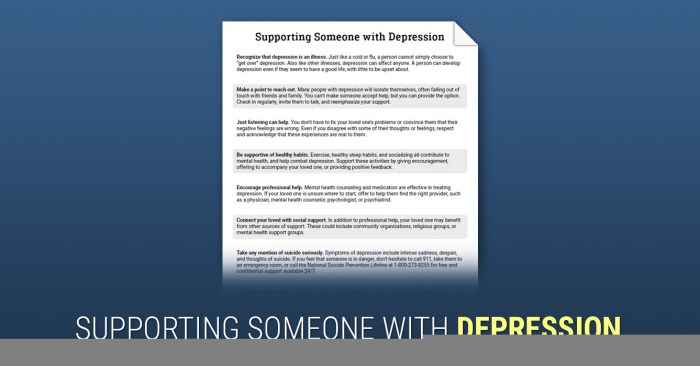
Welcome to the rollercoaster of life, where sometimes the tracks are a bit too steep and the twists turn into emotional knots! Depression support is your trusty safety bar, keeping you secure as we explore the various forms of assistance available for those navigating the dark tunnels of despair. From therapy that feels like a heart-to-heart with your wise old uncle to community support that’s more uplifting than your favorite sitcom, there’s a treasure trove of help out there just waiting to be uncovered.

In our journey, we’ll dive into the vital roles of emotional and social support, tackle the quirky connections between physical health and mental well-being, and even discover some holistic approaches that can shine a little light on the cloudy days. Grab your metaphorical torch, and let’s illuminate the path forward!

Understanding Depression Support

Depression support

Depression can sneak up like a ninja in a dark alley, and fighting it alone can feel like bringing a rubber knife to a sword fight. Thankfully, there are various forms of support designed to help those grappling with this sneaky foe. Here, we’ll delve into the types of depression support available, the importance of emotional and social backing, and how therapy and counseling can serve as powerful allies in this battle.

Forms of Depression Support

Various forms of depression support exist, like a buffet of emotional sustenance. Here are some key options available:

  • Peer Support Groups: Think of these as social gatherings minus the awkward small talk. They provide a platform for individuals to share experiences, find common ground, and support one another in a way that often feels more relatable than chatting with a seasoned therapist.
  • Online Communities: In today’s digital age, support isn’t confined to snug rooms. Virtual platforms offer forums and chatrooms where individuals can connect from the comfort of their pajamas, addressing their struggles with empathy and understanding.
  • Hotlines: When it feels like a tidal wave of gloom is about to drown you, hotlines can offer a lifebuoy. Trained professionals are available to listen, support, and guide individuals in crisis, often 24/7.
  • Family and Friends: The classic support system! Even though they might not always know the right words to say, having someone to listen or share a laugh with can be incredibly therapeutic.
  • Professional Therapy and Counseling: This is the crème de la crème of support. Therapists are trained to provide coping strategies and a safe space to process feelings without judgment.

Importance of Emotional and Social Support

Emotional and social support plays a pivotal role in managing depression, acting as a lifeline for those adrift in an emotional sea. Support from loved ones and peers can enhance feelings of belonging and validation, which are vital in combatting feelings of isolation.

“Just because you can’t see it, doesn’t mean it’s not there—just like my 3rd grade teacher who believed in my invisible pet unicorn.”

Here are a few reasons why this support is crucial:

  • Emotional Validation: Having someone who listens without judgment can make all the difference. It reminds individuals that their feelings are real and worthy of attention.
  • Encouragement: Friends and family can motivate individuals to seek professional help or stick to treatment plans, often acting like cheerleaders in a metaphorical parade.
  • Shared Experiences: The feeling of “You too?” can be incredibly comforting, reducing the sense of isolation that often accompanies depression.

Role of Therapy and Counseling

Therapy and counseling act as the GPS guiding individuals through the rocky terrain of mental health. Trained professionals provide tools and strategies to navigate the labyrinth of thoughts and emotions that can accompany depression.

“Therapy is like having a personal mental gym trainer—except instead of lifting weights, you’re lifting emotional baggage.”

Therapeutic modalities include:

  • Cognitive Behavioral Therapy (CBT): This approach helps individuals identify and alter negative thought patterns, making it easier to tackle the gremlins of depression head-on.
  • Dialectical Behavior Therapy (DBT): DBT focuses on teaching skills for managing emotions, which can be as essential as having a Swiss Army knife in a survival situation.
  • Interpersonal Therapy (IPT): This form addresses relationship issues that may be contributing to depression, helping individuals navigate those oft-treacherous waters.

Connecting Health Topics with Depression Support

Understanding the intricate relationship between various health conditions and depression is essential for effective support and coping strategies. By examining how conditions like asthma, autism spectrum disorders, and chronic pain interact with depression, we can enhance our support mechanisms and promote holistic healing. Let’s dive into this interconnected world where our mental health dances a tango with our physical well-being.

Asthma and Depression

Asthma is more than just a respiratory challenge; it can also be a sneaky little gremlin that contributes to feelings of anxiety and depression. The constant worry about asthma attacks can be mentally exhausting, making the world feel like a hyperventilated balloon about to pop. Studies have shown that individuals with asthma are at a higher risk for depression and vice versa.

This connection is attributed to the chronic nature of asthma, the physical limitations it imposes, and the overall impact on quality of life.Coping strategies can be instrumental in managing both asthma and depression:

  • Regular Communication: Talk to your healthcare provider about both your asthma and mental health. A coordinated care approach is like a dynamic duo in superhero movies—together, they are unstoppable.
  • Mindfulness and Breathing Exercises: These techniques can improve lung function and decrease stress. It’s like giving your lungs a spa day while serenading your mind with calming tunes.
  • Physical Activity: While asthma may seem like a party pooper, gentle exercise can actually boost mood. Just remember to carry your inhaler like a trusty sidekick!

Autism Spectrum Disorders and Depression

The intersection of autism spectrum disorders (ASD) and depression is a complex puzzle. Individuals with ASD may experience heightened levels of anxiety and social isolation, which can lead to feelings of sadness or depression. The unique challenges they face can often feel like trying to solve a Rubik’s cube blindfolded—frustrating and overwhelming. Support mechanisms that can foster resilience in individuals with ASD include:

  • Therapeutic Interventions: Tailored therapies, like cognitive behavioral therapy (CBT), can address both depression and anxiety, offering tools that work like a Swiss Army knife for mental health.
  • Social Skills Training: Creating opportunities for social engagement can alleviate feelings of isolation, paving the way for connections that light up the path to happiness.
  • Family Support: Educating families about ASD can enhance understanding and empathy, turning the household into a supportive fortress against depression.

Chronic Pain and Mental Health

Chronic pain, particularly back pain, can be a heavy (pun intended) burden that not only affects physical health but also drags mental health into the depths of despair. The persistent ache can lead to frustration, anger, and ultimately, depression. It’s like having a constantly annoying roommate that you can’t evict—very draining!To help manage the relationship between chronic pain and mental health, consider these support systems:

  • Physical Therapy: Engaging in physical therapy can alleviate pain and improve mobility, boosting both physical and mental well-being. Think of it as a workout for your body and a pep talk for your mind.
  • Support Groups: Joining a support group can offer a safe space to share experiences and coping strategies. It’s like finding a club where everyone understands your pain—literally!
  • Mind-Body Techniques: Practices like yoga, meditation, and tai chi can help individuals cope with both physical discomfort and depressive symptoms, creating a holistic approach to wellness.

“When the body cries in pain, the mind can sometimes join the chorus. Addressing both sides can lead to harmony.”

Holistic Approaches to Health and Depression
Depression support

In the journey of tackling depression, it’s essential to embrace a holistic approach that nurtures both mind and body. While therapy and medication are often at the forefront, don’t underestimate the power of beauty and wellness practices that can help lift spirits and promote recovery. By connecting various health topics—like nutrition, fitness, and self-care—we can create a supportive environment that fosters resilience and well-being.

Beauty and Wellness Practices for Depression Recovery

Beauty and wellness practices can serve as delightful additions to a depression recovery plan. Engaging in activities that make us feel good can boost our mood significantly. Here are some fabulous practices to consider:

  • Aromatherapy: Utilize essential oils such as lavender or citrus to uplift your spirits and create a calming atmosphere. Imagine wafting waves of lavender enveloping you like a cozy hug!
  • Mindful Skincare: Transform your skincare routine into a ritual. Treat yourself to a refreshing face mask while you binge-watch your guilty pleasure. It’s a win-win!
  • Dancing Like Nobody’s Watching: Put on your favorite tunes and shake it off! Dancing releases endorphins, the natural mood lifters. Just remember: no judgment for those questionable dance moves!
  • Nature Walks: Embrace the great outdoors. Whether it’s a stroll in the park or a hike up a hill, nature can have a soothing effect on your mindset. Bonus: it’s a fantastic way to show off those new walking shoes!

Significance of Physical Fitness in Mental Health

Engaging in physical fitness, especially muscle building, can dramatically enhance mental health. It’s not just about the aesthetic; it’s about building a fortress of strength, both physically and mentally. Here’s how muscle building contributes to mental wellness:

  • Endorphin Release: Weight lifting triggers the release of endorphins, which can create a euphoric feeling often referred to as the “runner’s high.” Who knew lifting weights could be your ticket to happiness?
  • Improved Self-Esteem: As you build muscle and see progress, your confidence skyrockets. Flexing in front of the mirror becomes a celebration of your hard work!
  • Stress Reduction: Exercise is a natural stress reliever. Channeling frustrations into lifting weights can leave you feeling lighter than air after a tough day.
  • Social Interaction: Joining a gym or group classes fosters community. The camaraderie that comes with sweating together can lead to new friendships and support systems.

Nutritional Strategies for Preventing Childhood Obesity

Addressing childhood obesity is crucial not only for physical health but also for mental well-being. Nutrition plays a major role in influencing mood and behavior. Here are some strategies that can help:

  • Balanced Meals: Focus on incorporating fruits, vegetables, whole grains, and lean proteins into meals. A colorful plate is not only pleasing to the eye but also serves as a mood booster!
  • Healthy Snack Options: Replace sugary snacks with nutritious alternatives like hummus and veggies or yogurt with fresh fruits. It’s time to make kale the new cool kid on the block!
  • Limit Sugary Drinks: Encourage water or natural fruit juices over sodas. Hydration is key, and your brain will thank you for steering clear of sugar crashes.
  • Family Meal Times: Promote regular family meals to discuss the day. This enhances emotional connection and helps children develop healthy eating habits.

“Investing in health today paves the way for a brighter, healthier tomorrow—both in body and mind!”

Final Wrap-Up

As we wrap up this enlightening escapade, remember that seeking help is like ordering a pizza—there’s a topping for everyone! Whether it’s therapy, community support, or simply a good laugh with friends, depression support is all about finding what works for you. So, let’s not just sit in the dark; let’s embrace the light together, one giggle and supportive chat at a time!

Essential Questionnaire

What are some signs someone might need depression support?

Look out for changes in mood, withdrawal from loved ones, or losing interest in things they once enjoyed—kind of like when your favorite TV show gets canceled!

How can I help a friend who is struggling with depression?

Be there! Listen without judgment and encourage them to seek professional help. Sometimes just being a good listener is like providing emotional Wi-Fi!

Can pets provide depression support?

Absolutely! Pets can be the furry little cheerleaders you never knew you needed, providing companionship and unconditional love that brightens even the gloomiest days.

Is group therapy effective for depression support?

Yes, it can be a game-changer! Sharing experiences with others can feel like a group hug for your soul, making you realize you’re not alone in the struggle.

What are some self-care practices for depression support?

Start with the basics—exercise, a balanced diet, and plenty of laughter! Even a good dance party in your living room can be a fantastic mood booster!

Clinical depression is no joke but lets talk!

Clinical depression

Welcome to the rollercoaster of the mind, where the highs are fun but the lows can feel like a black hole of despair—say hello to Clinical Depression! It’s that uninvited guest that crashes your party and drags you down while stealing the snacks. While it may sound like a gloomy subject, understanding this condition can help shed light on the darkness and lead us to brighter days.

Clinical depression isn’t just a case of the blues—it’s a serious mental health issue marked by persistent sadness and a medley of symptoms that can leave even the most cheerful individuals feeling like they’ve lost their sparkle. From the biological to the psychological and environmental, numerous factors contribute to this complex condition, making it crucial to distinguish it from other mood disorders.

Buckle up, as we dive into the depths of clinical depression, explore treatment options, and uncover how it intersects with other health challenges.

Understanding Clinical Depression

Clinical depression

Clinical depression, or major depressive disorder, is not just a prolonged case of the blues; it’s like an uninvited guest who overstays their welcome and insists on rearranging your furniture to be more “depressing.” This condition often manifests through a variety of symptoms that can leave individuals feeling like they’re trudging through molasses. Among these are feelings of hopelessness, persistent sadness, fatigue, changes in appetite, and even a delightful bonus of difficulty concentrating.

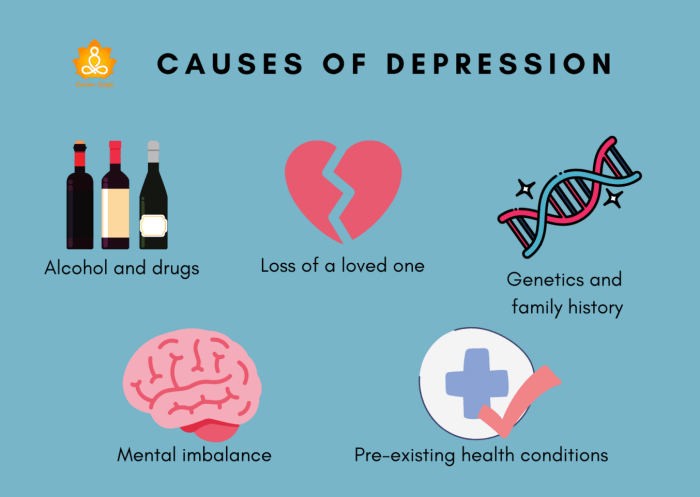
Recognizing these symptoms alongside the diagnostic criteria, which includes experiencing these feelings for at least two weeks, is crucial for proper treatment.The development of clinical depression is influenced by an intricate web of biological, psychological, and environmental factors. It’s not just about how you feel; it’s also about your brain chemistry, your thought patterns, and the world around you. For example, genetics can play a role, as having a family history of depression increases the risk.

On the psychological front, persistent negative thoughts and a lack of coping skills can exacerbate depressive symptoms. Meanwhile, environmental stressors such as trauma, loss, or major life changes can make the perfect storm for clinical depression to brew.

Symptoms and Diagnostic Criteria

Understanding the symptoms and diagnostic criteria is like having a map when navigating the often murky waters of depression. The following are key symptoms that can help guide diagnosis:

  • Persistent Sadness: A continuous feeling of gloom that doesn’t lift, akin to carrying a rain cloud wherever you go.
  • Loss of Interest: Activities that once brought joy, such as hobbies or socializing, suddenly feel as appealing as watching paint dry.
  • Changes in Sleep: Either insomnia or oversleeping can occur, leading to dreams that range from bizarre to downright ridiculous.
  • Fatigue: A lack of energy that makes climbing a flight of stairs feel like scaling Everest.
  • Feelings of Worthlessness: A persistent sense of inadequacy that can lead to thoughts like “I could win an award for being the worst at everything.”
  • Difficulty Concentrating: Tasks that used to be simple take monumental effort, often resulting in a lot of staring blankly at walls.

“Clinical depression often manifests as a persistent sadness that impacts daily living.”

Biological, Psychological, and Environmental Factors

Delving deeper into the contributing factors of clinical depression reveals a complex interplay of elements. The biological aspect includes neurotransmitters like serotonin and dopamine. It’s like having a party in your brain, but not enough guests (or neurotransmitters) show up. The psychological components involve cognitive patterns that can trap individuals in a cycle of negativity, reinforcing their depressive symptoms. Meanwhile, environmental factors can include stressors like job loss, relationship issues, or even the haunting specter of existential dread.

These elements can converge dramatically, creating an environment ripe for clinical depression.

Differences Between Clinical Depression and Other Mood Disorders

It’s essential to distinguish clinical depression from other mood disorders, as they may seem like distant cousins at a family reunion, but each has its quirks. For instance, bipolar disorder involves episodes of mania, characterized by an elevated mood that can swing to the depths of despair. In contrast, clinical depression remains steady in its gloom, with no manic highs to interrupt the melancholy.

Additionally, seasonal affective disorder (SAD) brings on depressive symptoms that are akin to winter blues with a side of hibernation; however, these symptoms are more related to seasonal changes rather than a persistent state of sadness.

  • Clinical Depression: Persistent low mood, lack of interest, and physical symptoms.
  • Bipolar Disorder: Alternating episodes of mania and depression, like a mood rollercoaster.
  • Seasonal Affective Disorder: Depressive symptoms that surface in specific seasons, often triggered by reduced sunlight.

Treatment Options for Clinical Depression

Depression clinical symptoms psychotherapy calmsage

The journey through clinical depression can feel like navigating a labyrinth with no exit sign in sight. However, understanding the treatment options available can illuminate the path to recovery. From traditional therapies to lifestyle adjustments and alternative methods, there are numerous ways to tackle the shadows in your mind. Let’s break down these treatment options with a sprinkle of humor and a whole lot of hope!

Psychotherapy and Pharmacotherapy

Psychotherapy, often referred to as talk therapy, can be a game-changer for individuals battling clinical depression. It involves engaging with a trained therapist to explore thoughts, feelings, and behaviors. Common therapeutic approaches include:

  • Cognitive Behavioral Therapy (CBT): A popular method that helps individuals identify and change negative thought patterns. Think of it as a mental workout, replacing those heavy weights of despair with lighter, more positive ones.
  • Interpersonal Therapy (IPT): This approach focuses on improving interpersonal relationships and social functioning, because let’s face it, sometimes all we need is a little more human connection!
  • Dialectical Behavior Therapy (DBT): Initially designed for borderline personality disorder, it’s also effective for depression, emphasizing emotional regulation and mindfulness. It’s like yoga for your brain!

Pharmacotherapy, on the other hand, involves the use of medications like antidepressants. These can help balance chemicals in the brain, lifting the fog of depression. Common types include:

  • Selective Serotonin Reuptake Inhibitors (SSRIs): These are the frontline troops in the battle against depression, increasing serotonin levels to improve mood.
  • Serotonin Norepinephrine Reuptake Inhibitors (SNRIs): Similar to SSRIs but with a dual approach, targeting both serotonin and norepinephrine for a one-two punch!
  • Tricyclic Antidepressants (TCAs): These older meds are like the classic rock of the antidepressant world; they still know how to resonate but may come with more side effects.

Lifestyle Changes

Making changes to one’s lifestyle can significantly impact the management of clinical depression. Just like a superhero needs their sidekick, healthy lifestyle choices can bolster the effects of therapy and medication. Consider the following modifications:

  • Nutrition: Eating a balanced diet rich in fruits, vegetables, whole grains, and lean proteins can fuel your body and mind. Think of it as giving your brain the premium fuel it deserves!
  • Exercise: Regular physical activity is like a natural antidepressant. Just 30 minutes of movement can release endorphins, those lovely little chemicals that make you feel all warm and fuzzy inside.
  • Sleep Hygiene: Quality sleep is essential. Establishing a sleep routine can work wonders; even the Sandman would approve!

Alternative Therapies

For some, exploring alternative therapies can add a refreshing twist to the traditional treatment narrative. These methods can complement other treatments, providing a holistic approach. Here are notable options:

  • Mindfulness Practices: Incorporating mindfulness techniques encourages individuals to focus on the present moment, reducing anxiety and promoting emotional well-being. It’s like sending your mind to a spa day!
  • Meditation: Regular meditation can improve overall mental health, offering a peaceful respite from the chaos. Picture yourself on a serene beach, while your stress takes a backseat.
  • Yoga: This ancient practice combines physical postures, breathing exercises, and meditation, all of which can enhance mood. Think of it as giving your mental state a deep stretch!

“Healing takes time, and asking for help is a courageous step.”

Intersection of Clinical Depression with Other Health Issues

Clinical depression is not just a solitary player on the field of health; it’s often a team player, teaming up with various other health issues to create a complex game of symptoms and challenges. Understanding how these intersections work can shed light on the multifaceted nature of clinical depression and its broader implications for individual health. Let’s explore some of these intersections, where clinical depression meets other health concerns with a twist of humor and a sprinkle of insight.

Impact of Clinical Depression on Individuals with Asthma

Asthma and clinical depression may seem like an unlikely pair, but they often breathe the same air of discomfort. Individuals with asthma experience respiratory issues that can trigger anxiety and depression. When the lungs feel like they’re auditioning for a role in a horror movie—tight and wheezy—it can lead to feelings of hopelessness and despair. One study found that individuals with asthma are at a higher risk of developing depression.

This is largely due to the chronic nature of asthma, which can disrupt daily life and limit activities. Here are some ways clinical depression can affect those with asthma:

  • Increased stress levels can exacerbate asthma symptoms, creating a vicious cycle where depression worsens asthma and vice versa.

  • Social withdrawal often occurs due to both physical limitations and emotional struggles, leading to isolation.
  • Individuals may struggle with compliance to asthma treatment due to lack of motivation, impacting overall health.

Experiences of Individuals with Clinical Depression and Autism

When clinical depression intersects with autism, it’s like mixing oil and water—each has its own unique properties but can affect the other in unexpected ways. Individuals with autism often face challenges in emotional regulation and social interactions, and the presence of clinical depression can amplify these difficulties. Autistic individuals may experience overwhelming emotions that are difficult to articulate, making it harder to communicate distress associated with depression.

Here’s how these experiences manifest:

  • Difficulty with emotional expression may lead to misunderstandings in social settings, causing further isolation and depressive symptoms.

  • Routine disruptions can trigger anxiety, which can spiral into depressive episodes, creating a double whammy of emotional turmoil.
  • Community and family support are essential yet often challenging to navigate due to communication differences.

Impact of Chronic Pain on Clinical Depression

Chronic pain and clinical depression may as well be best friends who can’t stand each other—one exacerbating the other in a relentless tug-of-war. Chronic pain, such as back pain, doesn’t just affect mobility; it can also lead to significant psychological distress. Individuals suffering from chronic pain often find themselves feeling frustrated and helpless, which can spiral into depression. The cyclical nature of pain and mood can create a challenging landscape for recovery.

Here are some key points on how chronic pain impacts clinical depression:

  • Chronic pain can lead to a decrease in physical activity, which is essential for mental health, creating a feedback loop of worsening depression.

  • Disrupted sleep patterns due to pain can result in fatigue, which further exacerbates depressive symptoms.
  • Feelings of isolation are common as individuals may withdraw from social activities, leading to a lack of support and increased feelings of loneliness.

Last Point

So there you have it, a whirlwind tour through the world of Clinical Depression! We’ve explored its symptoms, treatment options, and its rather inconvenient habit of hanging out with other health issues, turning life into a puzzling maze. Remember, though, navigating through this maze is possible with the right support, understanding, and maybe a sprinkle of humor to keep the spirits up.

If you or someone you know is battling this uninvited guest, don’t hesitate to seek help—because life’s too short to let depression call the shots!

Q&A

What are the main symptoms of clinical depression?

Main symptoms include persistent sadness, loss of interest in activities, fatigue, changes in appetite, and difficulty concentrating.

Can clinical depression be cured?

While clinical depression may not be “cured,” many people manage their symptoms effectively through treatment and lifestyle changes.

How long does clinical depression last?

Duration varies widely; it can last weeks, months, or even years. Early intervention can significantly improve outcomes.

Is clinical depression hereditary?

Yes, there is evidence suggesting that genetic factors play a role in the likelihood of developing clinical depression.

How does lifestyle affect clinical depression?

A healthy lifestyle, including regular exercise, a balanced diet, and adequate sleep, can positively influence the management of clinical depression.