Herbal detox Unleashing Natures Cleansing Power

Herbal detox immune wonderland vcaps allow

Ever thought of your body as a high-tech gadget that needs a good reboot? Enter the realm of Herbal detox, where nature’s finest herbs come together to give your system a thorough spring cleaning, minus the harsh chemicals and questionable side effects. Imagine your body saying, “Ah, finally!” as it’s pampered with the goodness of plants that not only cleanse but also boost your health and beauty.

From the mystical chamomile to the fiery ginger, these herbal warriors are ready to tackle everything from detoxing your lungs to alleviating that pesky back pain.

But wait, there’s more! This herbal escapade doesn’t just stop at feeling good; it can also shake hands with your lifestyle changes, helping you dodge childhood obesity and even sculpt those muscles into something superhero-like. So buckle up, because we’re about to embark on a herbal journey that’ll make you feel like a health guru in no time!

Herbal Detox Overview

Herbal detox immune wonderland vcaps allow

Embarking on a herbal detox journey is like sending your body on a spa vacation – only this time, the relaxation includes a few herbs that might just make you feel as if you’re basking in the sun on a tropical island! Herbal detoxification is a natural approach to help cleanse the body of toxins and rejuvenate your overall well-being.

This method, steeped in tradition and often sprinkled with humor, involves using various herbs known for their purifying properties. Detoxification is essential as our modern lifestyles expose us to a myriad of toxins from processed foods, pollution, and stress. The right herbs can act as helpful little warriors, swooping in to help rid the body of unwanted substances while simultaneously providing a range of health benefits.

Common Herbs Used in Detoxification Processes

A variety of herbs have earned their stripes in the detox world, each bearing unique benefits that can help restore balance to your body. Let’s explore some of the most common contenders in the herbal detox arena:

  • Dandelion: A stubborn little weed adored by many, dandelion is a detox dynamo, known for supporting liver function and improving digestion.
  • Milk Thistle: This prickly beauty is famous for its active compound, silymarin, which aids liver detoxification and promotes cell regeneration.
  • Turmeric: Renowned for its bright yellow color and anti-inflammatory properties, turmeric not only spices up your meals but also stimulates liver detoxification.
  • Ginger: This zesty root does more than add flavor; it enhances digestion and helps detoxify the body by promoting sweating.
  • Green Tea: Packed with antioxidants, green tea is like a refreshing hug for your liver, encouraging detoxification and providing a gentle energy boost.

Incorporating these herbs into your detox routine not only makes you feel good but also gives you a fabulous excuse to sip on some herbal concoctions, looking all chic while doing so!

Methods of Preparing Herbal Detox Remedies

Creating your herbal detox remedy can be an art form – kind of like painting, but with more kale and less acrylic. Here are several popular methods to prepare these herbal wonders, ensuring you get the most out of your detox experience:

  • Herbal Infusions: Steep your chosen herbs in hot water to create a soothing tea. For a refreshing twist, consider adding lemon or honey. It’s like a warm hug in a mug!
  • Tinctures: For the more adventurous at heart, tinctures involve soaking herbs in alcohol or vinegar to extract their potent properties. Just a few drops can pack a punch!
  • Powdered Herbs: Ground herbs can be sprinkled into smoothies or soups, blending seamlessly into your meals while giving you that detox boost without sacrificing flavor.
  • Herbal Baths: Yes, you can detox while soaking in a tub! Adding herbs like Epsom salt and lavender can help draw out toxins through your skin, allowing you to detox while simultaneously feeling like royalty.
  • Herbal Capsules: If you prefer the convenience of pills, many herbal supplements offer detox benefits in an easy-to-swallow format, making them a hassle-free option!

Each method allows you to tailor your detox experience to your liking, making it as fun and fabulous as a dance party in your kitchen. Remember, the key to a successful herbal detox is not just the herbs you choose, but also your willingness to enjoy the process, one sip (or soak) at a time!

Health Impacts of Herbal Detox

In the grand tapestry of health and wellness, herbal detox stands as a vibrant thread, weaving through various ailments and offering relief with a sprinkle of nature’s magic. Let’s dive into how this herbal wonder can help with asthma relief, manage autism symptoms, and alleviate that pesky back pain we all dread after hours of binge-watching our favorite series.

Herbal Detox and Asthma Relief

Herbal detox has taken a front row seat in the quest for alleviating asthma symptoms, acting like a gentle breeze on a stuffy day. This approach focuses on purging toxins from the body that can exacerbate respiratory issues. Certain herbs such as peppermint and eucalyptus are known for their soothing properties and can open up the airways, making breathing feel as smooth as a jazz saxophonist.

The relationship between herbal detox and asthma relief showcases the importance of clean living and the potential for natural remedies to support respiratory health.

“Herbal detox can cleanse the lungs just like a fresh spring rain washes away the winter grime.”

Herbal Detox and Autism Symptom Management

Autism spectrum disorder (ASD) is a complex condition, and while it may seem daunting, herbal detox can lend a helpful hand in managing some symptoms. The detoxing process has been linked to improved gut health and reduced inflammation, which can positively influence behavioral patterns and social interactions in individuals with autism. Herbs like chamomile and ashwagandha are celebrated for their calming effects, helping to ease anxiety and improve focus.

By addressing the body’s internal ecosystem, herbal detox provides a nurturing environment for growth and development.

“Like a finely tuned orchestra, herbal detox can harmonize the body, leading to better interactions and calmer days.”

Herbal Detox for Alleviating Back Pain

Back pain, the uninvited guest at the party of life, can be a real drag. Herbal detox can help kick this guest to the curb by addressing inflammation and promoting muscle relaxation. Herbs such as turmeric and ginger possess anti-inflammatory properties that can significantly reduce pain and discomfort. Regularly engaging in a detox regimen can lead to improved circulation and less muscle tension, allowing you to embrace a pain-free existence where back flips, or at least bending over to tie your shoes, are a possibility once again.

“A little herbal detox can turn your back pain from a heavy anchor into a feather, allowing you to sail smoothly through life.”

Herbal Detox in Lifestyle Changes

Embracing a herbal detox is like giving your body a refreshing spa day, but instead of cucumber slices on the eyes, you’ll have a delicious herbal concoction in hand. As we swirl through the world of detoxing, it’s important to remember that this should be a lifestyle transformation rather than a temporary fix. Let’s explore how herbal detox can be woven into your everyday life, enhancing both health and beauty, while also supporting muscle building and preventing childhood obesity.

Designing a Herbal Detox Plan for Health and Beauty

Crafting a herbal detox plan is akin to compiling a playlist for the ultimate road trip—each herb plays a vital role in ensuring a smooth ride towards health and beauty. Here’s a delightful blend of herbs that not only detoxify but also enhance your natural glow:

  • Dandelion: A liver-loving herb that helps flush out toxins and promotes clearer skin. Say goodbye to that ‘morning-after’ look!
  • Green Tea: Packed with antioxidants, it’s like a tiny superhero for your skin, fighting free radicals and helping maintain that youthful glow.
  • Ginger: This fiery root not only spices up your detox tea but also boosts circulation, giving you that flushed, healthy complexion.
  • Mint: Refreshing and fabulous, mint aids digestion and keeps your breath minty fresh—because who doesn’t want to smell like a garden?

Each of these herbs can be brewed into a delicious tea or added to smoothies. The key is consistency; enjoy these herbal delights daily to see that radiant transformation unfold!

Using Herbal Detox to Support Muscle Building

Building muscle is like constructing a home; it requires strong foundations, and what better foundation than a detox-friendly diet? Incorporating herbal detox into your muscle-building regimen not only helps clear out toxins but also enhances your recovery process. Consider the following powerful allies:

  • Turmeric: This golden spice doesn’t just add flavor; it reduces inflammation, which can ease post-workout soreness and help in recovery.
  • Beetroot: A natural source of nitrates, beetroot can enhance blood flow to muscles, almost like giving your muscles a VIP pass to the gym.
  • Spirulina: Packed with protein and essential amino acids, this blue-green algae is like nature’s energy bar—great for muscle repair.

Combining these herbs with a protein-rich diet will help you recover faster and build those muscles without the pesky toxins slowing down your progress.

Prevention Strategy for Childhood Obesity with Herbal Detox Practices

Addressing childhood obesity isn’t just about cutting calories; it’s about fostering a healthy lifestyle that kids can enjoy. Integrating herbal detox practices into daily routines can make healthy living fun and appealing for the younger crowd. Here’s how you can sprinkle some herbal magic into their lives:

  • Herbal Smoothies: Blend greens like spinach or kale with fruits and a dash of mint, making a colorful drink that looks like a superhero potion.
  • Herbal-infused Water: Encourage hydration by adding slices of lemon, cucumber, or a few sprigs of mint to water, transforming boring hydration into a refreshing treat.
  • Family Herbal Cooking Nights: Get the whole family involved in preparing meals with herbs—think ‘Chopped’ but with a healthy twist. Kids love to be mini-chefs!
  • Outdoor Herbal Adventures: Make a game out of foraging for herbs or visiting local farmers’ markets, teaching kids about nature and nutrition while getting some exercise.

By embedding these practices into their lifestyle, children can develop healthy habits that last a lifetime—plus, they’ll have fun doing it!

Summary

Herbal detox

In summary, embracing Herbal detox isn’t just about feeling fresh; it’s a way to tune your body into a symphony of health, beauty, and vitality. By incorporating these potent plants into your routine, you’re not just detoxing; you’re stepping onto the wellness stage, ready to dazzle with newfound energy and clarity. So why not grab those herbs and let them work their magic?

Your body will thank you, and who knows, you might just discover your inner herbalist!

FAQ Explained

What is the purpose of herbal detox?

The purpose of herbal detox is to cleanse the body of toxins and promote better health through natural herbs.

How often should I do a herbal detox?

<pIt’s generally recommended to do a herbal detox 1-2 times a year, depending on your health goals.

Are there any side effects of herbal detox?

While herbal detox is generally safe, some people may experience mild side effects like digestive upset. Always consult a healthcare provider if unsure.

Can I use herbal detox while pregnant?

Pregnant individuals should consult with a healthcare professional before starting any detox program, including herbal detox.

How long does a herbal detox typically last?

A typical herbal detox can last anywhere from a few days to a couple of weeks, depending on the plan you choose.

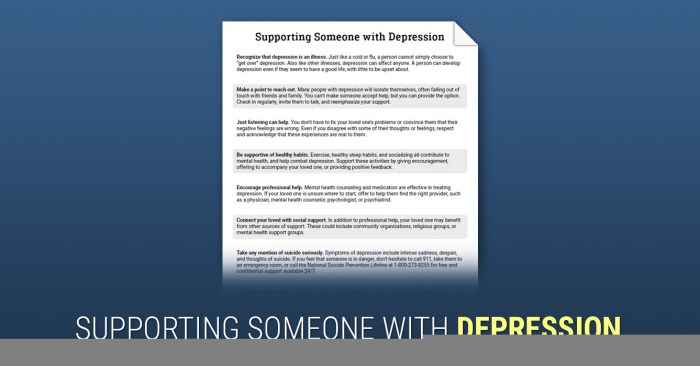
Depression support Unraveling the Tapestry of Care

Depression support

Welcome to the rollercoaster of life, where sometimes the tracks are a bit too steep and the twists turn into emotional knots! Depression support is your trusty safety bar, keeping you secure as we explore the various forms of assistance available for those navigating the dark tunnels of despair. From therapy that feels like a heart-to-heart with your wise old uncle to community support that’s more uplifting than your favorite sitcom, there’s a treasure trove of help out there just waiting to be uncovered.

In our journey, we’ll dive into the vital roles of emotional and social support, tackle the quirky connections between physical health and mental well-being, and even discover some holistic approaches that can shine a little light on the cloudy days. Grab your metaphorical torch, and let’s illuminate the path forward!

Understanding Depression Support

Depression support

Depression can sneak up like a ninja in a dark alley, and fighting it alone can feel like bringing a rubber knife to a sword fight. Thankfully, there are various forms of support designed to help those grappling with this sneaky foe. Here, we’ll delve into the types of depression support available, the importance of emotional and social backing, and how therapy and counseling can serve as powerful allies in this battle.

Forms of Depression Support

Various forms of depression support exist, like a buffet of emotional sustenance. Here are some key options available:

  • Peer Support Groups: Think of these as social gatherings minus the awkward small talk. They provide a platform for individuals to share experiences, find common ground, and support one another in a way that often feels more relatable than chatting with a seasoned therapist.
  • Online Communities: In today’s digital age, support isn’t confined to snug rooms. Virtual platforms offer forums and chatrooms where individuals can connect from the comfort of their pajamas, addressing their struggles with empathy and understanding.
  • Hotlines: When it feels like a tidal wave of gloom is about to drown you, hotlines can offer a lifebuoy. Trained professionals are available to listen, support, and guide individuals in crisis, often 24/7.
  • Family and Friends: The classic support system! Even though they might not always know the right words to say, having someone to listen or share a laugh with can be incredibly therapeutic.
  • Professional Therapy and Counseling: This is the crème de la crème of support. Therapists are trained to provide coping strategies and a safe space to process feelings without judgment.

Importance of Emotional and Social Support

Emotional and social support plays a pivotal role in managing depression, acting as a lifeline for those adrift in an emotional sea. Support from loved ones and peers can enhance feelings of belonging and validation, which are vital in combatting feelings of isolation.

“Just because you can’t see it, doesn’t mean it’s not there—just like my 3rd grade teacher who believed in my invisible pet unicorn.”

Here are a few reasons why this support is crucial:

  • Emotional Validation: Having someone who listens without judgment can make all the difference. It reminds individuals that their feelings are real and worthy of attention.
  • Encouragement: Friends and family can motivate individuals to seek professional help or stick to treatment plans, often acting like cheerleaders in a metaphorical parade.
  • Shared Experiences: The feeling of “You too?” can be incredibly comforting, reducing the sense of isolation that often accompanies depression.

Role of Therapy and Counseling

Therapy and counseling act as the GPS guiding individuals through the rocky terrain of mental health. Trained professionals provide tools and strategies to navigate the labyrinth of thoughts and emotions that can accompany depression.

“Therapy is like having a personal mental gym trainer—except instead of lifting weights, you’re lifting emotional baggage.”

Therapeutic modalities include:

  • Cognitive Behavioral Therapy (CBT): This approach helps individuals identify and alter negative thought patterns, making it easier to tackle the gremlins of depression head-on.
  • Dialectical Behavior Therapy (DBT): DBT focuses on teaching skills for managing emotions, which can be as essential as having a Swiss Army knife in a survival situation.
  • Interpersonal Therapy (IPT): This form addresses relationship issues that may be contributing to depression, helping individuals navigate those oft-treacherous waters.

Connecting Health Topics with Depression Support

Understanding the intricate relationship between various health conditions and depression is essential for effective support and coping strategies. By examining how conditions like asthma, autism spectrum disorders, and chronic pain interact with depression, we can enhance our support mechanisms and promote holistic healing. Let’s dive into this interconnected world where our mental health dances a tango with our physical well-being.

Asthma and Depression

Asthma is more than just a respiratory challenge; it can also be a sneaky little gremlin that contributes to feelings of anxiety and depression. The constant worry about asthma attacks can be mentally exhausting, making the world feel like a hyperventilated balloon about to pop. Studies have shown that individuals with asthma are at a higher risk for depression and vice versa.

This connection is attributed to the chronic nature of asthma, the physical limitations it imposes, and the overall impact on quality of life.Coping strategies can be instrumental in managing both asthma and depression:

  • Regular Communication: Talk to your healthcare provider about both your asthma and mental health. A coordinated care approach is like a dynamic duo in superhero movies—together, they are unstoppable.
  • Mindfulness and Breathing Exercises: These techniques can improve lung function and decrease stress. It’s like giving your lungs a spa day while serenading your mind with calming tunes.
  • Physical Activity: While asthma may seem like a party pooper, gentle exercise can actually boost mood. Just remember to carry your inhaler like a trusty sidekick!

Autism Spectrum Disorders and Depression

The intersection of autism spectrum disorders (ASD) and depression is a complex puzzle. Individuals with ASD may experience heightened levels of anxiety and social isolation, which can lead to feelings of sadness or depression. The unique challenges they face can often feel like trying to solve a Rubik’s cube blindfolded—frustrating and overwhelming. Support mechanisms that can foster resilience in individuals with ASD include:

  • Therapeutic Interventions: Tailored therapies, like cognitive behavioral therapy (CBT), can address both depression and anxiety, offering tools that work like a Swiss Army knife for mental health.
  • Social Skills Training: Creating opportunities for social engagement can alleviate feelings of isolation, paving the way for connections that light up the path to happiness.
  • Family Support: Educating families about ASD can enhance understanding and empathy, turning the household into a supportive fortress against depression.

Chronic Pain and Mental Health

Chronic pain, particularly back pain, can be a heavy (pun intended) burden that not only affects physical health but also drags mental health into the depths of despair. The persistent ache can lead to frustration, anger, and ultimately, depression. It’s like having a constantly annoying roommate that you can’t evict—very draining!To help manage the relationship between chronic pain and mental health, consider these support systems:

  • Physical Therapy: Engaging in physical therapy can alleviate pain and improve mobility, boosting both physical and mental well-being. Think of it as a workout for your body and a pep talk for your mind.
  • Support Groups: Joining a support group can offer a safe space to share experiences and coping strategies. It’s like finding a club where everyone understands your pain—literally!
  • Mind-Body Techniques: Practices like yoga, meditation, and tai chi can help individuals cope with both physical discomfort and depressive symptoms, creating a holistic approach to wellness.

“When the body cries in pain, the mind can sometimes join the chorus. Addressing both sides can lead to harmony.”

Holistic Approaches to Health and Depression

Depression support

In the journey of tackling depression, it’s essential to embrace a holistic approach that nurtures both mind and body. While therapy and medication are often at the forefront, don’t underestimate the power of beauty and wellness practices that can help lift spirits and promote recovery. By connecting various health topics—like nutrition, fitness, and self-care—we can create a supportive environment that fosters resilience and well-being.

Beauty and Wellness Practices for Depression Recovery

Beauty and wellness practices can serve as delightful additions to a depression recovery plan. Engaging in activities that make us feel good can boost our mood significantly. Here are some fabulous practices to consider:

  • Aromatherapy: Utilize essential oils such as lavender or citrus to uplift your spirits and create a calming atmosphere. Imagine wafting waves of lavender enveloping you like a cozy hug!
  • Mindful Skincare: Transform your skincare routine into a ritual. Treat yourself to a refreshing face mask while you binge-watch your guilty pleasure. It’s a win-win!
  • Dancing Like Nobody’s Watching: Put on your favorite tunes and shake it off! Dancing releases endorphins, the natural mood lifters. Just remember: no judgment for those questionable dance moves!
  • Nature Walks: Embrace the great outdoors. Whether it’s a stroll in the park or a hike up a hill, nature can have a soothing effect on your mindset. Bonus: it’s a fantastic way to show off those new walking shoes!

Significance of Physical Fitness in Mental Health

Engaging in physical fitness, especially muscle building, can dramatically enhance mental health. It’s not just about the aesthetic; it’s about building a fortress of strength, both physically and mentally. Here’s how muscle building contributes to mental wellness:

  • Endorphin Release: Weight lifting triggers the release of endorphins, which can create a euphoric feeling often referred to as the “runner’s high.” Who knew lifting weights could be your ticket to happiness?
  • Improved Self-Esteem: As you build muscle and see progress, your confidence skyrockets. Flexing in front of the mirror becomes a celebration of your hard work!
  • Stress Reduction: Exercise is a natural stress reliever. Channeling frustrations into lifting weights can leave you feeling lighter than air after a tough day.
  • Social Interaction: Joining a gym or group classes fosters community. The camaraderie that comes with sweating together can lead to new friendships and support systems.

Nutritional Strategies for Preventing Childhood Obesity

Addressing childhood obesity is crucial not only for physical health but also for mental well-being. Nutrition plays a major role in influencing mood and behavior. Here are some strategies that can help:

  • Balanced Meals: Focus on incorporating fruits, vegetables, whole grains, and lean proteins into meals. A colorful plate is not only pleasing to the eye but also serves as a mood booster!
  • Healthy Snack Options: Replace sugary snacks with nutritious alternatives like hummus and veggies or yogurt with fresh fruits. It’s time to make kale the new cool kid on the block!
  • Limit Sugary Drinks: Encourage water or natural fruit juices over sodas. Hydration is key, and your brain will thank you for steering clear of sugar crashes.
  • Family Meal Times: Promote regular family meals to discuss the day. This enhances emotional connection and helps children develop healthy eating habits.

“Investing in health today paves the way for a brighter, healthier tomorrow—both in body and mind!”

Final Wrap-Up

As we wrap up this enlightening escapade, remember that seeking help is like ordering a pizza—there’s a topping for everyone! Whether it’s therapy, community support, or simply a good laugh with friends, depression support is all about finding what works for you. So, let’s not just sit in the dark; let’s embrace the light together, one giggle and supportive chat at a time!

Essential Questionnaire

What are some signs someone might need depression support?

Look out for changes in mood, withdrawal from loved ones, or losing interest in things they once enjoyed—kind of like when your favorite TV show gets canceled!

How can I help a friend who is struggling with depression?

Be there! Listen without judgment and encourage them to seek professional help. Sometimes just being a good listener is like providing emotional Wi-Fi!

Can pets provide depression support?

Absolutely! Pets can be the furry little cheerleaders you never knew you needed, providing companionship and unconditional love that brightens even the gloomiest days.

Is group therapy effective for depression support?

Yes, it can be a game-changer! Sharing experiences with others can feel like a group hug for your soul, making you realize you’re not alone in the struggle.

What are some self-care practices for depression support?

Start with the basics—exercise, a balanced diet, and plenty of laughter! Even a good dance party in your living room can be a fantastic mood booster!

Muscle recovery The Ultimate Guide to Bouncing Back

Recovery definitive muscleforlife

Welcome to the world of Muscle recovery, a magical place where sore muscles transform into seven-league boots! Picture this: You’re lounging on the couch, a protein shake in one hand and a foam roller in the other, while your muscles are having a spa day. Not only do we dive into the importance of hydration and the wonders of sleep, but we also explore how a well-rounded diet can turn your post-workout blues into post-workout woohoos!

From rolling out those stubborn knots to unlocking the mysteries of holistic recovery strategies, we’re about to embark on a quest where your muscles leave the drama behind and embrace recovery like a true champion. So, buckle up, because getting to know your muscles never felt so good!

Muscle Recovery Techniques

Muscle recovery is as essential as the actual workout itself; after all, no one wants to walk around like a rusty robot after a leg day. Proper recovery techniques are crucial for repairing muscle tissue, restoring energy stores, and preventing injury. Let’s dive into some of the key players in the muscle recovery game that will have you bouncing back like a basketball.

Importance of Hydration

Staying hydrated is the cornerstone of muscle recovery. Think of water as the magical potion that makes your muscles dance instead of cramp. When you’re properly hydrated, your body can flush out toxins, transport nutrients effectively, and maintain optimal muscle function. Dehydration can lead to muscle fatigue and cramps, which nobody wants, especially when trying to impress onlookers at the gym.

  • Nutrient Transport: Water helps transport important nutrients to your muscles, aiding repair and growth.
  • Temperature Regulation: Sufficient hydration keeps your body’s temperature regulated, which is critical during workouts and recovery.
  • Joint Lubrication: Hydrated joints lead to better mobility and reduced risk of injuries. Think of it as oiling the squeaky parts of your workout machine.

“Hydration isn’t just a sidekick in muscle recovery; it’s the superhero!”

Effectiveness of Foam Rolling

Foam rolling has become the darling of the fitness community, and for a good reason. This self-myofascial release technique works wonders in alleviating muscle soreness. By rolling out those tight spots, you’re essentially giving your muscles a spa day—minus the cucumber slices and fancy robes.

  • Muscle Relaxation: Foam rolling helps relax tight muscles, promoting blood flow and quicker recovery.
  • Reduction of Delayed Onset Muscle Soreness (DOMS): Studies indicate that foam rolling can significantly reduce DOMS after intense workouts—goodbye, post-leg-day shuffle!
  • Flexibility Improvement: Regular foam rolling can enhance flexibility and range of motion, making you more agile than a ninja on caffeine.

“Roll it out like it’s hot! Foam rolling is your muscles’ best friend.”

Role of Sleep

Sleep is the unsung hero of muscle recovery. While it might seem like a luxury, getting quality shut-eye is as vital as hitting the gym. During sleep, your body goes into repair mode, releasing growth hormones that help build and repair muscle tissue. Basically, sleeping is like downloading the latest software update for your muscles—totally necessary for peak performance.

  • Hormone Regulation: Sleep promotes the release of growth hormone, crucial for muscle repair and development.
  • Enhanced Recovery: Deep sleep stages are essential for physical recovery, allowing muscles to recover from daily wear and tear.
  • Mental Recovery: Quality sleep enhances cognitive function, keeping you sharp and focused, ready to dominate your next workout session.

“Sleep is not for the weak; it’s for the strong who want to recover like champs!”

Related Health Topics Impacting Muscle Recovery

Muscle recovery is influenced by a variety of health conditions that can either hinder or enhance the healing process. In this discussion, we will delve into several important health factors that can affect exercise performance and recovery, including asthma, autism considerations, and the relationship between back pain and muscle recovery strategies. Each of these topics highlights the need for tailored recovery approaches to optimize performance and well-being.

Asthma and Exercise Performance

Asthma is a chronic respiratory condition that can significantly impact exercise performance and recovery. Individuals with asthma may experience airway constriction during physical activity, leading to decreased oxygen flow and increased fatigue. This not only affects the ability to perform but also complicates the recovery process. The following considerations are essential for individuals with asthma during their workout and recovery routines:

  • Pre-exercise assessment: Always check your asthma condition before hitting the gym. If the air quality is poor or if pollen counts are high, consider indoor workouts or rescheduling outdoor activities.
  • Proper medication usage: Using a bronchodilator as prescribed can make a world of difference. Think of it as your personal superhero, ready to swoop in and save the day when your lungs feel a bit tight.
  • Breathing techniques: Incorporating breathing exercises can enhance lung function and stamina. It’s like giving your lungs a spa day!
  • Hydration and cool-down: Staying well-hydrated helps maintain airway moisture and can ease breathing discomfort during recovery.

“For individuals with asthma, prioritizing breathing strategies is as essential as lifting weights.”

Considerations for Individuals with Autism During Recovery Protocols

Individuals with autism may face unique challenges during recovery protocols due to differences in sensory processing, social interaction, and communication. A well-rounded recovery plan should take these factors into account to ensure effective muscle recovery and overall well-being.When designing recovery approaches for individuals with autism, consider the following strategies:

  • Structured routines: Consistency can be comforting. A predictable recovery schedule can help reduce anxiety and improve adherence.
  • Sensory-friendly environments: Create a calming recovery space with minimal noise and visual distractions to help individuals relax and focus on their recovery.
  • Visual supports: Use visual aids to explain recovery techniques or exercises, making them easier to understand and follow.
  • Short and clear instructions: Provide concise recovery guidance to accommodate varying attention spans and communication preferences.

“Adaptability is key; a personalized recovery protocol can make all the difference for individuals with autism.”

Relationship Between Back Pain and Muscle Recovery Strategies

Back pain is one of the most common ailments affecting individuals during their fitness journeys, and it can severely impede muscle recovery. Understanding the connection between back pain and muscle recovery strategies is crucial for effective rehabilitation.Incorporating the following strategies can help manage back pain while promoting muscle recovery:

  • Strengthening core muscles: A strong core can alleviate pressure on the back, making recovery easier. Think of your core as the backbone of your fitness journey—literally!
  • Stretching and flexibility exercises: Regular stretching can improve range of motion and reduce stiffness. A well-stretched muscle is a happy muscle!
  • Proper form and technique: Maintaining good form during exercises can prevent unnecessary strain on the back. Remember, it’s not just how much you lift, but how you lift it!
  • Rest and recovery: Listen to your body. Resting when needed is not a sign of weakness but a smart strategy for avoiding further injury.

“A well-rounded recovery strategy is like a life raft for your back—keeping you afloat on your fitness journey!”

Holistic Approaches to Muscle Recovery

Muscle recovery

After an intense workout, your muscles can feel like they’ve been through a wrestling match with a grizzly bear. But fear not! Holistic approaches to muscle recovery can turn that bear hug into a gentle caress, helping you bounce back faster than you can say “protein shake!” This guide delves into nutrition strategies, beauty routines, and herbal remedies that can support your recovery journey with style and a sprinkle of humor.

Nutrition Strategies Supporting Muscle Recovery

Nutrition plays a vital role in muscle recovery; it’s like the fairy godmother of post-workout healing, waving her magic wand to transform your soreness into strength. Consuming the right nutrients can not only fuel your next workout but also repair muscle damage and reduce inflammation. Here’s a list of nutrition strategies that ensure your muscles get the pampering they deserve:

  • Protein Power: Aim for high-quality protein sources such as chicken, fish, tofu, or legumes post-exercise. Protein helps repair muscle tissues and build new ones, much like a construction crew after a demolition derby.
  • Carbs are Cool: Don’t fear carbs! They are essential for replenishing glycogen stores. Opt for whole grains, fruits, and veggies, because nobody likes an empty gas tank.
  • Hydration Heroes: Water, coconut water, or electrolyte drinks are vital for rehydration, making your body feel fresh and ready to tackle the next challenge—like a superhero in spandex.
  • Antioxidant Allies: Foods rich in antioxidants, like berries and leafy greens, help combat oxidative stress and inflammation. Think of them as your muscle’s personal bodyguards.

Beauty Routines Enhancing Post-Exercise Recovery

After you’ve put your muscles through the wringer, it’s time to treat them (and yourself) like the royalty you are. Incorporating beauty routines can not only enhance your recovery but also add a little flair to your recovery rituals. Here are some delightful methods to pamper yourself:

  • Soothing Baths: Submerge your body in warm water infused with Epsom salts and essential oils. This can relieve muscle tension while making you smell like a fragrant garden; who doesn’t want to feel like a walking bouquet?
  • Facial Masks: Slap on a hydrating mask while you relax post-exercise. Your skin—like your muscles—deserves some TLC after sweating it out. Plus, you can channel your inner spa diva!
  • Foam Rolling: This isn’t just about looking cool at the gym; foam rolling helps release muscle tightness. Roll away those knots while pretending you’re getting a professional massage.
  • Stretch and Glow: A gentle yoga session post-exercise serves as a beauty ritual that enhances flexibility and calms the mind. You’ll feel like a zen master who can touch their toes without breaking a sweat!

Herbs and Supplements Known for Recovery Benefits

When it comes to recovery, certain herbs and supplements are like the secret ingredients in your grandma’s famous recipe—vital for achieving the perfect dish. These natural wonders can provide significant recovery benefits and enhance your performance. Here’s a fantastic list of recovery-enhancing herbs and supplements to consider:

  • Turmeric: With its anti-inflammatory properties, turmeric can help reduce muscle soreness. Think of it as a tiny golden superhero fighting inflammation!
  • Bromelain: Found in pineapples, this enzyme is known for its ability to reduce swelling and bruising. Talk about a juicy recovery option!
  • Omega-3 Fatty Acids: Present in fish oil and flaxseeds, these healthy fats can help fight inflammation and promote recovery. They’re like the friendly neighborhood fish helping your muscles bounce back.
  • Creatine: This supplement aids in quick energy production, making it easier to push through workouts while also supporting recovery. It’s like having a personal cheerleader in powder form!
  • Magnesium: Essential for muscle function, magnesium can help prevent cramps and improve relaxation. It’s like a soothing hug for your muscles!

Final Wrap-Up

Recovery definitive muscleforlife

As we wrap up this muscle recovery extravaganza, remember that recovery isn’t just a pause—it’s the secret sauce to unleashing your inner superhero! Whether it’s tackling hydration, rolling out the kinks, or dreaming about those restorative Zs, every little detail matters. So next time you crush a workout, don’t just focus on the finish line; celebrate the recovery journey because your muscles deserve it!

Quick FAQs

What is the best way to hydrate for muscle recovery?

Water is your best friend, but adding electrolytes can give you the extra boost! Think of it as a refreshing team-up of hydration and rehydration!

How often should I foam roll after workouts?

Aim for 10-15 minutes post-workout or as needed. Your muscles will thank you, and your foam roller will feel like a celebrity in your recovery routine!

Can I still recover well if I don’t sleep enough?

Not really! Sleep is like that magic potion for muscle recovery. Skipping it is like trying to bake a cake without flour—good luck with that!

Are there specific foods that help with muscle recovery?

Absolutely! Lean proteins, whole grains, and colorful fruits and veggies make for a recovery feast fit for a champion!

How does stress impact muscle recovery?

Stress is like a pesky mosquito at a picnic; it can really ruin your recovery vibe! Managing stress is key to allowing your muscles to relax and repair.

Back pain support a humorous guide to relief

Pain back management treatment

Welcome to the whimsical world of Back pain support, where we tackle those pesky aches that make you feel like you’ve been wrestling a bear! You know, that unwelcome stabbing in your lower back that insists on crashing your Netflix binge-watching party? Back pain can turn even the mightiest among us into a cautious, creaky robot, but fear not! We’re here to explore the causes, symptoms, and the magical potions—also known as remedies—that can help you reclaim your freedom.

From understanding the intricacies of back pain and its potential party-crashing effects on daily life, to diving into effective home remedies and ergonomic products that turn your chair into a throne of comfort, this guide is filled with nuggets of wisdom that will leave you feeling lighter than a feather and ready to tango again!

Back Pain Overview

Back pain support

Back pain is like that annoying friend who shows up uninvited and then refuses to leave. It can disrupt the rhythm of daily life, leaving you feeling like you’re stuck in a slow-motion replay of your favorite action movie—except instead of dodging bullets, you’re just dodging the pain. Understanding the common causes and types of back pain is crucial for anyone who wants to outsmart this unwelcome companion.Common causes of back pain range from the mundane to the bizarre.

Everyday activities like lifting heavy objects, poor posture while binge-watching your favorite series, or even a sudden sneeze can lead to discomfort. More severe causes might include herniated discs and spinal stenosis. These conditions can create a domino effect, impacting not only physical activities like walking and bending but also emotional well-being, as chronic pain can lead to frustration and fatigue.

Types of Back Pain and Symptoms

Back pain can be as diverse as your Aunt Sally’s collection of ceramic frogs. Understanding the different types can help in addressing the right treatment. Here are the main categories:

  • Acute Back Pain: This type typically lasts less than six weeks and often stems from a specific incident, like trying to lift a couch that’s clearly too heavy. Symptoms can include sharp stabbing sensations, muscle cramps, or even a dull ache that just won’t quit.
  • Chronic Back Pain: If your back pain has taken up residence for over three months, it’s considered chronic. This can result from underlying conditions like arthritis or degenerative disc disease. Symptoms may vary from a constant dull ache to more severe pain that interferes with daily activities.
  • Radicular Pain: This type of pain travels along the path of a nerve and is often accompanied by numbness or tingling. It’s like if your back pain decided to take a road trip, but instead of beautiful scenery, it’s just a whole lot of discomfort.
  • Referred Pain: Sometimes, problems in one area of the body can cause pain elsewhere. For instance, kidney stones might lead to pain in your lower back, proving that our bodies love to throw curveballs.

In the realm of back pain, it’s essential to recognize when professional help is needed. Chronic back pain can lead to a decrease in quality of life, affecting everything from work productivity to personal relationships. Seeking help from a healthcare professional ensures that the root cause of the pain is addressed, setting the stage for relief rather than a never-ending cycle of discomfort.

Remember, ignoring persistent pain is like ignoring a smoke alarm—eventually, things can heat up in ways you’d rather avoid.

Back Pain Support Strategies

Pain back management treatment

Back pain can be as unwelcome as a surprise visit from your in-laws. Luckily, there are plenty of support strategies that can help you kick that nagging discomfort to the curb, or at least make it less of a party crasher. From remedies you can whip up at home to the magic of ergonomic products, let’s dive into what you can do to find relief and reclaim your spine’s dignity.

Effective Home Remedies for Alleviating Back Pain

When it comes to back pain, the kitchen might just be your new best friend. Below are some home remedies that can provide relief without requiring you to break the bank or your back!

  • Hot and Cold Therapy: Alternating between hot and cold packs can help reduce inflammation and stimulate blood flow. Think of it as a spa day for your back—minus the cucumber slices.
  • Epsom Salt Baths: Soaking in a warm bath with Epsom salt can relax muscles and ease tension. It’s like giving your back a mini-vacation.
  • Turmeric and Ginger Tea: These spices have anti-inflammatory properties. Sipping on this golden elixir might just make your back feel as fabulous as it looks in the mirror.
  • Stretching: Gentle stretches can help alleviate tight muscles. A simple child’s pose can transform you from a twisted pretzel back to a relaxed noodle.

Comparison of Physical Therapy Exercises for Back Support

Engaging in regular physical therapy exercises can bolster your back support more effectively than a bodybuilder at a protein shake convention. Here’s a comparison of some fantastic exercises that can help you strengthen your back while putting a smile on your face (and hopefully reducing the pain):

Exercise Description Benefits
Cat-Cow Stretch Alternating between arching and rounding your back. Increases flexibility and reduces tension.
Bridges Lying on your back, lift your hips off the ground. Strengthens glutes and lower back.
Pelvic Tilts Gently tilting your pelvis while lying down. Improves core strength and spinal stability.
Wall Angels Standing against a wall, move your arms up and down. Enhances shoulder mobility and posture.

Insights on Ergonomic Products for Relieving Back Pain

In a world where we spend hours hunched over screens, ergonomic products are like the superhero gadgets we never knew we needed. Investing in the right gear can save your back from a life of misery. Let’s explore some must-have ergonomic products!

  • Ergonomic Office Chair: Provides lumbar support for those long hours at the desk. Think of it as a throne for your backside.
  • Standing Desk: Allows you to alternate between sitting and standing, reducing pressure on the spine. It’s like giving your back a workout while you work!
  • Seat Cushions: Memory foam cushions can enhance comfort and promote better posture. It’s like sitting on a cloud, minus the rain.
  • Footrest: Keeps your feet elevated for better alignment. A little lift goes a long way in keeping your back happy.

Related Health Topics

Back pain doesn’t just come knocking on your door alone; it often brings along a few friends you might not want at your party – like mental health issues, childhood obesity, and even asthma. Let’s dive into how these connections form and what they mean for your back!

Mental Health and Back Pain

The link between back pain and mental health issues like depression can be as tangled as a pair of headphones in your pocket. People suffering from chronic back pain often find themselves in a downward spiral of frustration, which can lead to feelings of hopelessness and, yes, even depression. It’s a vicious cycle where pain can reduce activity, leading to a lack of social interaction and increased isolation.

Stress and anxiety can also manifest physically, tightening muscles around the spine and resulting in even more discomfort. To clarify this connection, consider the following points:

  • Chronic pain can affect sleep quality, leading to irritability and mood swings.

  • Depression can worsen the perception of pain, making discomfort feel more intense.
  • A lack of physical activity due to pain can exacerbate depressive symptoms, creating a no-win situation.

Childhood Obesity and Back Pain

Childhood obesity has become a common villain in the narrative of back pain among the younger population. Carrying excess weight can put undue stress on the spine and related structures, which may lead to discomfort in young individuals. It’s crucial to address this issue early on because, as many know, the earlier the intervention, the better the outcome. Here are some insights about the relationship between obesity and back pain in children:

  • Increased weight can lead to poor posture, which can exacerbate back pain.
  • Limited physical activity due to excess weight can weaken core muscles, which are essential for spinal support.
  • Obesity can lead to joint issues, affecting overall mobility and increasing the likelihood of back pain.

Asthma and Body Posture

Asthma may not seem directly related to back pain, but consider this: when someone experiences breathing difficulties, they may adopt compensatory postures such as slouching or leaning forward. This can place stress on the spine and surrounding muscles, leading to discomfort. It’s particularly common for individuals with chronic asthma, who may spend a significant amount of time in less-than-ideal positions.

Here are key aspects of how asthma affects body posture and contributes to potential back pain:

  • Breathing difficulties can lead to tension in the chest and back muscles.
  • Poor posture due to labored breathing can result in muscle imbalances, which may contribute to pain.
  • Increased anxiety about breathing can lead to further muscle tension and exacerbate discomfort.

Final Summary

In conclusion, Back pain support is your trusty sidekick in the quest for a pain-free life! Whether you’re armed with ergonomic gadgets, physical therapy exercises, or just a good old-fashioned heat pack, remember that understanding your back pain is the first step to sending it packing. So, go forth with your newfound knowledge, and let’s bid adieu to those aches with a wave and a smile.

Cheers to a back that’s ready to carry the weight of the world—minus the pain!

Query Resolution

What are the common causes of back pain?

Common causes include poor posture, muscle strain, herniated discs, and even stress. It’s like your back is staging a protest against your lifestyle choices!

How can I prevent back pain?

Staying active, practicing good posture, and using ergonomic furniture can work wonders. It’s all about treating your back like the royalty it is!

Can stress really affect my back?

Absolutely! Stress can lead to muscle tension, which can turn your back into a tightrope walker—wobbly and on the verge of a fall!

When should I see a doctor for back pain?

If your back pain persists for more than a few weeks or is accompanied by other symptoms like numbness or weakness, it’s time to consult a professional. Don’t wait for your back to start sending you telegrams for help!

Are there any exercises I can do at home for back pain?

Definitely! Simple stretches, yoga, and strength exercises can help. Think of them as your back’s personal cheerleading squad!