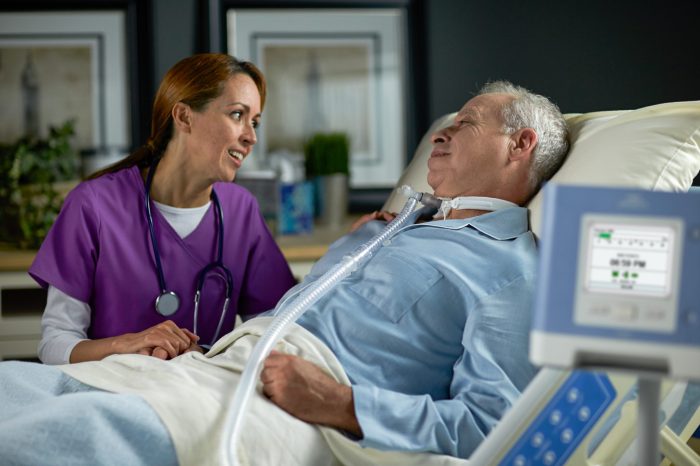
Ventilator support, the unsung hero of the ICU, is like a trusty sidekick that swoops in to save the day when our lungs are throwing a tantrum. Imagine a world where your lungs are on strike, waving little picket signs, and here comes the ventilator, ready to negotiate a peaceful resolution with a whoosh of air! This savvy machine not only keeps patients breathing but also comes in various shapes, sizes, and styles, each tailored to tackle specific respiratory challenges.
From the whirring wonders of advanced technology to the meticulous art of patient management, ventilator support plays a pivotal role in critical care. It’s not just about plugging in a machine – it’s about strategizing how to get someone from ‘I can’t breathe’ to ‘I’m back in the game!’ as seamlessly as possible. With techniques like weaning and understanding the intricate relationship between ventilators and our respiratory health, we’re diving into a topic that’s as layered as a wedding cake, but with less frosting and more life-saving implications.
Understanding Ventilator Support
Ventilator support is like a superhero sidekick for patients who need a little extra help breathing. In critical care settings, ventilators swoop in to provide mechanical assistance when the lungs are too tired or unable to do their job effectively. Whether due to illness, injury, or other factors, these devices ensure that oxygen levels remain stable, allowing patients to focus on recovery instead of gasping for air.Ventilators come in various shapes and sizes, each equipped with unique capabilities tailored to different medical situations.
Some are designed for patients in full respiratory failure, while others offer more delicate support for those recovering from anesthesia. The heart of ventilator support is its ability to deliver a precise mixture of oxygen and air to the patient, adjusting for the individual’s needs based on real-time data from various sensors. This adaptability is crucial in the ever-changing landscape of critical care.
Types of Ventilators and Their Applications
Understanding the types of ventilators is essential for appreciating their applications in critical care. Each type serves a specific role in patient management, ensuring that everyone gets their fair share of oxygen without turning blue!
- Continuous Positive Airway Pressure (CPAP):
Ideal for patients with obstructive sleep apnea or those who need extra support during nighttime. CPAP provides a constant stream of air pressure to keep the airways open, preventing snoring and ensuring restful slumber (for those who can slumber, of course!). - Bilevel Positive Airway Pressure (BiPAP):
This device provides two levels of pressure: a higher pressure when inhaling and a lower pressure when exhaling. BiPAP is a fantastic option for patients with chronic obstructive pulmonary disease (COPD) or those in respiratory distress, ensuring they get a breath of fresh air—literally! - Mechanical Ventilators:
For more severe cases, mechanical ventilators take the spotlight. They can deliver breaths at prescribed rates and pressures, perfect for patients who have lost the ability to breathe independently. Think of it as having a personal assistant, but for your lungs.
Initiating and Weaning Patients from Ventilator Support
The process of initiating ventilator support is akin to launching a spaceship. It requires careful preparation and a clear understanding of the mission. First, the medical team assesses the patient’s condition through physical exams and diagnostic tests, aiming to determine the best approach for ventilation.Once the decision is made, the ventilator is set up, adjusted to match the patient’s needs.
It’s like tuning a guitar before a concert; everything must be precise to avoid creating dissonance in the lungs. Parameters such as tidal volume, respiratory rate, and oxygen concentration are set based on the patient’s condition, making it personalized care in its finest form.Weaning patients off the ventilator is no less of a meticulous process. It’s not just a matter of flipping a switch; it involves careful monitoring and gradual adjustments.
The medical team often uses a technique known as “spontaneous breathing trials,” where the ventilator support is reduced, allowing the patient to breathe on their own for short periods. This method helps assess whether the patient is ready to resume full responsibility for their respiratory needs.
“The transition from ventilator support to independent breathing is a delicate dance, requiring patience, observation, and the occasional shimmy to keep spirits high.”
As the patient starts showing signs of independence, the medical team can continue to reduce support until, finally, the day comes when they can breathe freely, like a bird released from its cage, ready to spread its wings and soar into recovery.
Impact of Ventilator Support on Health Conditions
Ventilator support can be a game-changer in the realm of healthcare, acting as a trusty sidekick for individuals battling various health conditions. While it primarily serves to assist with breathing, its influence stretches across a spectrum of health issues, particularly respiratory diseases, critical conditions in individuals with developmental disabilities, and even mental health challenges. Let’s dive into the nitty-gritty of how this mechanical marvel impacts these areas.
Relationship Between Ventilator Support and Respiratory Diseases
Ventilator support plays a pivotal role in the management of respiratory diseases, especially for patients with asthma. For these individuals, asthma can be a real party pooper, turning a simple stroll in the park into a wheezy challenge. In acute cases, when an asthma attack escalates and the patient struggles to breathe, ventilators can swoop in like superheroes to save the day.
The relationship can be Artikeld as follows:
- Airway Management: Ventilator support helps in maintaining open airways, allowing oxygen to flow freely, which is crucial during severe asthma attacks.
- Controlled Breathing: By regulating the airflow and pressure, ventilators can deliver precise amounts of oxygen, reducing the burden on the patient’s respiratory muscles.
- Monitoring: Continuous monitoring capabilities of modern ventilators provide healthcare professionals with real-time data on the patient’s respiratory status, aiding in timely interventions.
In essence, ventilators serve as both a lifeline and a peacekeeper in the tumultuous world of asthma management.
Role of Ventilator Support in Managing Critical Conditions in Individuals with Developmental Disabilities
For individuals with developmental disabilities, the stakes are often higher when it comes to respiratory support. Their conditions may limit their ability to communicate discomfort or distress, making vigilant monitoring and effective intervention essential. Ventilator support not only eases the physical burden of breathing but also serves a vital role in enhancing the quality of life.Key considerations include:
- Enhanced Survival Rates: For individuals with severe respiratory impairments, ventilator support can significantly improve survival rates during critical episodes.
- Facilitating Rehabilitation: By providing adequate oxygenation, ventilators can help in rehabilitation efforts, allowing individuals to participate in therapies that improve their overall functioning.
- Improving Comfort: Alleviating respiratory distress can lead to an overall increase in comfort and well-being, making daily activities more manageable.
Thus, ventilator support emerges as an indispensable tool in the healthcare arsenal for enhancing the lives of those with developmental disabilities.
Influence of Ventilator Support on Mental Health
Although ventilators are known for their physical assistance, their impact on mental health, particularly in patients with depression, cannot be overlooked. Being on a ventilator can evoke a range of emotions, from relief at receiving support to anxiety about reliance on machinery. The psychological landscape can be quite complex.Here are some insights regarding this relationship:
- Awareness of Dependency: The realization of needing mechanical assistance can lead to feelings of helplessness, fueling depressive symptoms.
- Isolation: Extended periods on a ventilator may lead to social isolation, as interactions with others can become limited, further exacerbating feelings of depression.
- Support Systems: However, ventilators can also provide a sense of security, as they stabilize breathing and allow patients to focus on recovery. Support from healthcare providers can transform the experience from one of fear to one of hope.
Overall, while ventilator support can introduce mental health challenges, it has the potential to foster resilience and recovery when paired with appropriate emotional support.
Innovations and Best Practices in Ventilator Management
In the fast-paced world of healthcare, ventilators have taken center stage, evolving from simplistic machines to sophisticated life-support systems. Much like a superhero’s evolution from humble beginnings, ventilators now flaunt high-tech gadgets and gizmos, making them the Batman of the respiratory world. This section explores exciting advancements in ventilator technology, practical protocols for management, and the varying approaches in different healthcare settings.
Latest Technological Advancements in Ventilator Design and Functionality
The latest ventilators are akin to the Swiss Army knives of respiratory support, equipped with features that cater to a plethora of patient needs. From pressure control to volume-targeted modes, these machines have come a long way. Notable innovations include:
- Smart Ventilation: Incorporating algorithms that adjust settings based on real-time patient feedback, ensuring optimal breathing patterns. Think of it as having a personal coach that never sleeps!
- Non-invasive Ventilation (NIV): Devices that allow patients to breathe freely while providing assistance, like a gentle nudge from a friend instead of a shove.
- Remote Monitoring: Enabling healthcare providers to oversee patients from a distance, allowing them to stay on Mars while treating patients on Earth—almost like magic!
- Wearable Ventilation Technology: Lightweight devices allow for mobility, making it easier for those who wish they could just breathe and dance at the same time.
Protocols for Effective Ventilator Management and Patient Monitoring
A well-structured protocol can be the difference between a smooth sailing ship and a Titanic-like disaster. Effective ventilator management isn’t just about cranking knobs; it’s about creating a comprehensive plan that includes patient monitoring, adjustments, and regular assessments. Key components of effective protocols include:
- Regular Calibration: Ensuring that the ventilator is functioning correctly, like tuning a guitar before a concert.
- Routine Assessments: Frequent evaluations of patient responses and ventilator settings to ensure the right fit, similar to checking whether your favorite pair of jeans still fits after Thanksgiving.
- Team Coordination: Collaboration between respiratory therapists, nurses, and doctors to maintain communication—akin to an orchestra playing in perfect harmony.
- Patient-Centric Adjustments: Customizing settings based on individual patient needs, ensuring they feel like the star of their own medical drama.
Comparison of Approaches to Ventilator Support in Healthcare Settings
Different healthcare settings often require tailored approaches to ventilator support, reflecting the unique challenges and patient demographics they encounter. Here’s a look at how critical care and long-term care facilities differ in ventilator management:
| Aspect | Critical Care Facilities | Long-Term Care Facilities |
|---|---|---|
| Patient Acuity | High acuity patients requiring constant monitoring and immediate intervention. | Stable patients needing ongoing respiratory support, with less frequent interventions. |
| Staffing Levels | Highly specialized staff available 24/7, ready to tackle any respiratory emergency. | Limited staff trained for specialized ventilator management, often focusing on comfort and quality of life. |
| Technology Use | Utilization of the latest high-tech ventilators and monitoring systems. | Preference for simpler, more user-friendly devices that require less intensive training. |
| Patient Interaction | In-depth interaction and constant reassessment to adapt to changing conditions. | Emphasis on patient comfort, quality of life, and long-term management strategies. |
“In the world of ventilator management, innovation is the wind beneath our wings, propelling us toward better patient outcomes.”
Closing Notes

In conclusion, ventilator support isn’t merely a last resort; it’s a life-giving marvel that combines science, technology, and a touch of artistry in patient care. As we’ve explored the dynamic interplay between ventilators and health conditions, it’s clear that these machines are more than just mechanical beasts—they are lifelines that offer hope and recovery. So next time you hear that gentle hum of a ventilator, remember, it’s not just machinery; it’s the sound of resilience, innovation, and a whole lot of breathing room!
FAQ Section
What is ventilator support?
Ventilator support is a medical intervention that aids individuals who are unable to breathe adequately on their own, using a machine to assist or control their breathing.
Who needs ventilator support?
Patients with severe respiratory conditions, such as pneumonia, COPD, or those undergoing surgery, may require ventilator support to maintain adequate oxygen levels.
How long can someone be on a ventilator?
The duration varies; some patients may only need support for a few hours, while others may require it for days or even weeks, depending on their health status.
What are the risks associated with ventilator use?
Potential risks include lung injury, infections, and complications from prolonged sedation, but these are carefully managed by healthcare professionals.
Can patients communicate while on a ventilator?
Communication can be challenging, but some patients use gestures or eye blinks to convey their needs, and healthcare teams often adapt to facilitate communication.