Depression support Unraveling the Tapestry of Care

Depression support

Welcome to the rollercoaster of life, where sometimes the tracks are a bit too steep and the twists turn into emotional knots! Depression support is your trusty safety bar, keeping you secure as we explore the various forms of assistance available for those navigating the dark tunnels of despair. From therapy that feels like a heart-to-heart with your wise old uncle to community support that’s more uplifting than your favorite sitcom, there’s a treasure trove of help out there just waiting to be uncovered.

In our journey, we’ll dive into the vital roles of emotional and social support, tackle the quirky connections between physical health and mental well-being, and even discover some holistic approaches that can shine a little light on the cloudy days. Grab your metaphorical torch, and let’s illuminate the path forward!

Understanding Depression Support

Depression support

Depression can sneak up like a ninja in a dark alley, and fighting it alone can feel like bringing a rubber knife to a sword fight. Thankfully, there are various forms of support designed to help those grappling with this sneaky foe. Here, we’ll delve into the types of depression support available, the importance of emotional and social backing, and how therapy and counseling can serve as powerful allies in this battle.

Forms of Depression Support

Various forms of depression support exist, like a buffet of emotional sustenance. Here are some key options available:

  • Peer Support Groups: Think of these as social gatherings minus the awkward small talk. They provide a platform for individuals to share experiences, find common ground, and support one another in a way that often feels more relatable than chatting with a seasoned therapist.
  • Online Communities: In today’s digital age, support isn’t confined to snug rooms. Virtual platforms offer forums and chatrooms where individuals can connect from the comfort of their pajamas, addressing their struggles with empathy and understanding.
  • Hotlines: When it feels like a tidal wave of gloom is about to drown you, hotlines can offer a lifebuoy. Trained professionals are available to listen, support, and guide individuals in crisis, often 24/7.
  • Family and Friends: The classic support system! Even though they might not always know the right words to say, having someone to listen or share a laugh with can be incredibly therapeutic.
  • Professional Therapy and Counseling: This is the crème de la crème of support. Therapists are trained to provide coping strategies and a safe space to process feelings without judgment.

Importance of Emotional and Social Support

Emotional and social support plays a pivotal role in managing depression, acting as a lifeline for those adrift in an emotional sea. Support from loved ones and peers can enhance feelings of belonging and validation, which are vital in combatting feelings of isolation.

“Just because you can’t see it, doesn’t mean it’s not there—just like my 3rd grade teacher who believed in my invisible pet unicorn.”

Here are a few reasons why this support is crucial:

  • Emotional Validation: Having someone who listens without judgment can make all the difference. It reminds individuals that their feelings are real and worthy of attention.
  • Encouragement: Friends and family can motivate individuals to seek professional help or stick to treatment plans, often acting like cheerleaders in a metaphorical parade.
  • Shared Experiences: The feeling of “You too?” can be incredibly comforting, reducing the sense of isolation that often accompanies depression.

Role of Therapy and Counseling

Therapy and counseling act as the GPS guiding individuals through the rocky terrain of mental health. Trained professionals provide tools and strategies to navigate the labyrinth of thoughts and emotions that can accompany depression.

“Therapy is like having a personal mental gym trainer—except instead of lifting weights, you’re lifting emotional baggage.”

Therapeutic modalities include:

  • Cognitive Behavioral Therapy (CBT): This approach helps individuals identify and alter negative thought patterns, making it easier to tackle the gremlins of depression head-on.
  • Dialectical Behavior Therapy (DBT): DBT focuses on teaching skills for managing emotions, which can be as essential as having a Swiss Army knife in a survival situation.
  • Interpersonal Therapy (IPT): This form addresses relationship issues that may be contributing to depression, helping individuals navigate those oft-treacherous waters.

Connecting Health Topics with Depression Support

Understanding the intricate relationship between various health conditions and depression is essential for effective support and coping strategies. By examining how conditions like asthma, autism spectrum disorders, and chronic pain interact with depression, we can enhance our support mechanisms and promote holistic healing. Let’s dive into this interconnected world where our mental health dances a tango with our physical well-being.

Asthma and Depression

Asthma is more than just a respiratory challenge; it can also be a sneaky little gremlin that contributes to feelings of anxiety and depression. The constant worry about asthma attacks can be mentally exhausting, making the world feel like a hyperventilated balloon about to pop. Studies have shown that individuals with asthma are at a higher risk for depression and vice versa.

This connection is attributed to the chronic nature of asthma, the physical limitations it imposes, and the overall impact on quality of life.Coping strategies can be instrumental in managing both asthma and depression:

  • Regular Communication: Talk to your healthcare provider about both your asthma and mental health. A coordinated care approach is like a dynamic duo in superhero movies—together, they are unstoppable.
  • Mindfulness and Breathing Exercises: These techniques can improve lung function and decrease stress. It’s like giving your lungs a spa day while serenading your mind with calming tunes.
  • Physical Activity: While asthma may seem like a party pooper, gentle exercise can actually boost mood. Just remember to carry your inhaler like a trusty sidekick!

Autism Spectrum Disorders and Depression

The intersection of autism spectrum disorders (ASD) and depression is a complex puzzle. Individuals with ASD may experience heightened levels of anxiety and social isolation, which can lead to feelings of sadness or depression. The unique challenges they face can often feel like trying to solve a Rubik’s cube blindfolded—frustrating and overwhelming. Support mechanisms that can foster resilience in individuals with ASD include:

  • Therapeutic Interventions: Tailored therapies, like cognitive behavioral therapy (CBT), can address both depression and anxiety, offering tools that work like a Swiss Army knife for mental health.
  • Social Skills Training: Creating opportunities for social engagement can alleviate feelings of isolation, paving the way for connections that light up the path to happiness.
  • Family Support: Educating families about ASD can enhance understanding and empathy, turning the household into a supportive fortress against depression.

Chronic Pain and Mental Health

Chronic pain, particularly back pain, can be a heavy (pun intended) burden that not only affects physical health but also drags mental health into the depths of despair. The persistent ache can lead to frustration, anger, and ultimately, depression. It’s like having a constantly annoying roommate that you can’t evict—very draining!To help manage the relationship between chronic pain and mental health, consider these support systems:

  • Physical Therapy: Engaging in physical therapy can alleviate pain and improve mobility, boosting both physical and mental well-being. Think of it as a workout for your body and a pep talk for your mind.
  • Support Groups: Joining a support group can offer a safe space to share experiences and coping strategies. It’s like finding a club where everyone understands your pain—literally!
  • Mind-Body Techniques: Practices like yoga, meditation, and tai chi can help individuals cope with both physical discomfort and depressive symptoms, creating a holistic approach to wellness.

“When the body cries in pain, the mind can sometimes join the chorus. Addressing both sides can lead to harmony.”

Holistic Approaches to Health and Depression
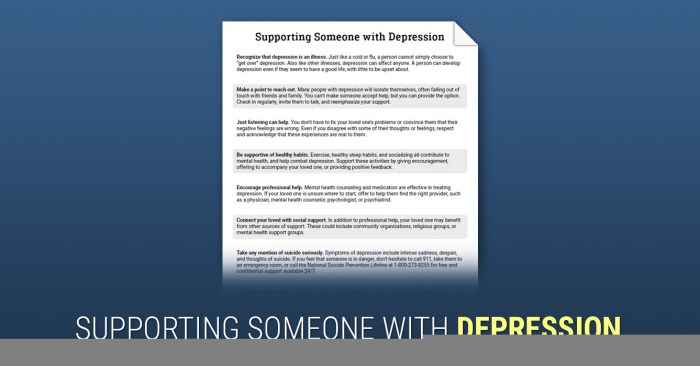
Depression support

In the journey of tackling depression, it’s essential to embrace a holistic approach that nurtures both mind and body. While therapy and medication are often at the forefront, don’t underestimate the power of beauty and wellness practices that can help lift spirits and promote recovery. By connecting various health topics—like nutrition, fitness, and self-care—we can create a supportive environment that fosters resilience and well-being.

Beauty and Wellness Practices for Depression Recovery

Beauty and wellness practices can serve as delightful additions to a depression recovery plan. Engaging in activities that make us feel good can boost our mood significantly. Here are some fabulous practices to consider:

  • Aromatherapy: Utilize essential oils such as lavender or citrus to uplift your spirits and create a calming atmosphere. Imagine wafting waves of lavender enveloping you like a cozy hug!
  • Mindful Skincare: Transform your skincare routine into a ritual. Treat yourself to a refreshing face mask while you binge-watch your guilty pleasure. It’s a win-win!
  • Dancing Like Nobody’s Watching: Put on your favorite tunes and shake it off! Dancing releases endorphins, the natural mood lifters. Just remember: no judgment for those questionable dance moves!
  • Nature Walks: Embrace the great outdoors. Whether it’s a stroll in the park or a hike up a hill, nature can have a soothing effect on your mindset. Bonus: it’s a fantastic way to show off those new walking shoes!

Significance of Physical Fitness in Mental Health

Engaging in physical fitness, especially muscle building, can dramatically enhance mental health. It’s not just about the aesthetic; it’s about building a fortress of strength, both physically and mentally. Here’s how muscle building contributes to mental wellness:

  • Endorphin Release: Weight lifting triggers the release of endorphins, which can create a euphoric feeling often referred to as the “runner’s high.” Who knew lifting weights could be your ticket to happiness?
  • Improved Self-Esteem: As you build muscle and see progress, your confidence skyrockets. Flexing in front of the mirror becomes a celebration of your hard work!
  • Stress Reduction: Exercise is a natural stress reliever. Channeling frustrations into lifting weights can leave you feeling lighter than air after a tough day.
  • Social Interaction: Joining a gym or group classes fosters community. The camaraderie that comes with sweating together can lead to new friendships and support systems.

Nutritional Strategies for Preventing Childhood Obesity

Addressing childhood obesity is crucial not only for physical health but also for mental well-being. Nutrition plays a major role in influencing mood and behavior. Here are some strategies that can help:

  • Balanced Meals: Focus on incorporating fruits, vegetables, whole grains, and lean proteins into meals. A colorful plate is not only pleasing to the eye but also serves as a mood booster!
  • Healthy Snack Options: Replace sugary snacks with nutritious alternatives like hummus and veggies or yogurt with fresh fruits. It’s time to make kale the new cool kid on the block!
  • Limit Sugary Drinks: Encourage water or natural fruit juices over sodas. Hydration is key, and your brain will thank you for steering clear of sugar crashes.
  • Family Meal Times: Promote regular family meals to discuss the day. This enhances emotional connection and helps children develop healthy eating habits.

“Investing in health today paves the way for a brighter, healthier tomorrow—both in body and mind!”

Final Wrap-Up

As we wrap up this enlightening escapade, remember that seeking help is like ordering a pizza—there’s a topping for everyone! Whether it’s therapy, community support, or simply a good laugh with friends, depression support is all about finding what works for you. So, let’s not just sit in the dark; let’s embrace the light together, one giggle and supportive chat at a time!

Essential Questionnaire

What are some signs someone might need depression support?

Look out for changes in mood, withdrawal from loved ones, or losing interest in things they once enjoyed—kind of like when your favorite TV show gets canceled!

How can I help a friend who is struggling with depression?

Be there! Listen without judgment and encourage them to seek professional help. Sometimes just being a good listener is like providing emotional Wi-Fi!

Can pets provide depression support?

Absolutely! Pets can be the furry little cheerleaders you never knew you needed, providing companionship and unconditional love that brightens even the gloomiest days.

Is group therapy effective for depression support?

Yes, it can be a game-changer! Sharing experiences with others can feel like a group hug for your soul, making you realize you’re not alone in the struggle.

What are some self-care practices for depression support?

Start with the basics—exercise, a balanced diet, and plenty of laughter! Even a good dance party in your living room can be a fantastic mood booster!

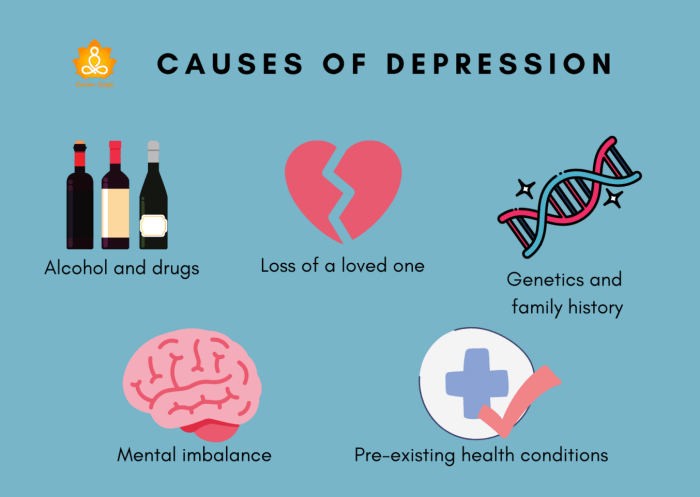
Clinical depression is no joke but lets talk!

Clinical depression

Welcome to the rollercoaster of the mind, where the highs are fun but the lows can feel like a black hole of despair—say hello to Clinical Depression! It’s that uninvited guest that crashes your party and drags you down while stealing the snacks. While it may sound like a gloomy subject, understanding this condition can help shed light on the darkness and lead us to brighter days.

Clinical depression isn’t just a case of the blues—it’s a serious mental health issue marked by persistent sadness and a medley of symptoms that can leave even the most cheerful individuals feeling like they’ve lost their sparkle. From the biological to the psychological and environmental, numerous factors contribute to this complex condition, making it crucial to distinguish it from other mood disorders.

Buckle up, as we dive into the depths of clinical depression, explore treatment options, and uncover how it intersects with other health challenges.

Understanding Clinical Depression

Clinical depression

Clinical depression, or major depressive disorder, is not just a prolonged case of the blues; it’s like an uninvited guest who overstays their welcome and insists on rearranging your furniture to be more “depressing.” This condition often manifests through a variety of symptoms that can leave individuals feeling like they’re trudging through molasses. Among these are feelings of hopelessness, persistent sadness, fatigue, changes in appetite, and even a delightful bonus of difficulty concentrating.

Recognizing these symptoms alongside the diagnostic criteria, which includes experiencing these feelings for at least two weeks, is crucial for proper treatment.The development of clinical depression is influenced by an intricate web of biological, psychological, and environmental factors. It’s not just about how you feel; it’s also about your brain chemistry, your thought patterns, and the world around you. For example, genetics can play a role, as having a family history of depression increases the risk.

On the psychological front, persistent negative thoughts and a lack of coping skills can exacerbate depressive symptoms. Meanwhile, environmental stressors such as trauma, loss, or major life changes can make the perfect storm for clinical depression to brew.

Symptoms and Diagnostic Criteria

Understanding the symptoms and diagnostic criteria is like having a map when navigating the often murky waters of depression. The following are key symptoms that can help guide diagnosis:

  • Persistent Sadness: A continuous feeling of gloom that doesn’t lift, akin to carrying a rain cloud wherever you go.
  • Loss of Interest: Activities that once brought joy, such as hobbies or socializing, suddenly feel as appealing as watching paint dry.
  • Changes in Sleep: Either insomnia or oversleeping can occur, leading to dreams that range from bizarre to downright ridiculous.
  • Fatigue: A lack of energy that makes climbing a flight of stairs feel like scaling Everest.
  • Feelings of Worthlessness: A persistent sense of inadequacy that can lead to thoughts like “I could win an award for being the worst at everything.”
  • Difficulty Concentrating: Tasks that used to be simple take monumental effort, often resulting in a lot of staring blankly at walls.

“Clinical depression often manifests as a persistent sadness that impacts daily living.”

Biological, Psychological, and Environmental Factors

Delving deeper into the contributing factors of clinical depression reveals a complex interplay of elements. The biological aspect includes neurotransmitters like serotonin and dopamine. It’s like having a party in your brain, but not enough guests (or neurotransmitters) show up. The psychological components involve cognitive patterns that can trap individuals in a cycle of negativity, reinforcing their depressive symptoms. Meanwhile, environmental factors can include stressors like job loss, relationship issues, or even the haunting specter of existential dread.

These elements can converge dramatically, creating an environment ripe for clinical depression.

Differences Between Clinical Depression and Other Mood Disorders

It’s essential to distinguish clinical depression from other mood disorders, as they may seem like distant cousins at a family reunion, but each has its quirks. For instance, bipolar disorder involves episodes of mania, characterized by an elevated mood that can swing to the depths of despair. In contrast, clinical depression remains steady in its gloom, with no manic highs to interrupt the melancholy.

Additionally, seasonal affective disorder (SAD) brings on depressive symptoms that are akin to winter blues with a side of hibernation; however, these symptoms are more related to seasonal changes rather than a persistent state of sadness.

  • Clinical Depression: Persistent low mood, lack of interest, and physical symptoms.
  • Bipolar Disorder: Alternating episodes of mania and depression, like a mood rollercoaster.
  • Seasonal Affective Disorder: Depressive symptoms that surface in specific seasons, often triggered by reduced sunlight.

Treatment Options for Clinical Depression

Depression clinical symptoms psychotherapy calmsage

The journey through clinical depression can feel like navigating a labyrinth with no exit sign in sight. However, understanding the treatment options available can illuminate the path to recovery. From traditional therapies to lifestyle adjustments and alternative methods, there are numerous ways to tackle the shadows in your mind. Let’s break down these treatment options with a sprinkle of humor and a whole lot of hope!

Psychotherapy and Pharmacotherapy

Psychotherapy, often referred to as talk therapy, can be a game-changer for individuals battling clinical depression. It involves engaging with a trained therapist to explore thoughts, feelings, and behaviors. Common therapeutic approaches include:

  • Cognitive Behavioral Therapy (CBT): A popular method that helps individuals identify and change negative thought patterns. Think of it as a mental workout, replacing those heavy weights of despair with lighter, more positive ones.
  • Interpersonal Therapy (IPT): This approach focuses on improving interpersonal relationships and social functioning, because let’s face it, sometimes all we need is a little more human connection!
  • Dialectical Behavior Therapy (DBT): Initially designed for borderline personality disorder, it’s also effective for depression, emphasizing emotional regulation and mindfulness. It’s like yoga for your brain!

Pharmacotherapy, on the other hand, involves the use of medications like antidepressants. These can help balance chemicals in the brain, lifting the fog of depression. Common types include:

  • Selective Serotonin Reuptake Inhibitors (SSRIs): These are the frontline troops in the battle against depression, increasing serotonin levels to improve mood.
  • Serotonin Norepinephrine Reuptake Inhibitors (SNRIs): Similar to SSRIs but with a dual approach, targeting both serotonin and norepinephrine for a one-two punch!
  • Tricyclic Antidepressants (TCAs): These older meds are like the classic rock of the antidepressant world; they still know how to resonate but may come with more side effects.

Lifestyle Changes

Making changes to one’s lifestyle can significantly impact the management of clinical depression. Just like a superhero needs their sidekick, healthy lifestyle choices can bolster the effects of therapy and medication. Consider the following modifications:

  • Nutrition: Eating a balanced diet rich in fruits, vegetables, whole grains, and lean proteins can fuel your body and mind. Think of it as giving your brain the premium fuel it deserves!
  • Exercise: Regular physical activity is like a natural antidepressant. Just 30 minutes of movement can release endorphins, those lovely little chemicals that make you feel all warm and fuzzy inside.
  • Sleep Hygiene: Quality sleep is essential. Establishing a sleep routine can work wonders; even the Sandman would approve!

Alternative Therapies

For some, exploring alternative therapies can add a refreshing twist to the traditional treatment narrative. These methods can complement other treatments, providing a holistic approach. Here are notable options:

  • Mindfulness Practices: Incorporating mindfulness techniques encourages individuals to focus on the present moment, reducing anxiety and promoting emotional well-being. It’s like sending your mind to a spa day!
  • Meditation: Regular meditation can improve overall mental health, offering a peaceful respite from the chaos. Picture yourself on a serene beach, while your stress takes a backseat.
  • Yoga: This ancient practice combines physical postures, breathing exercises, and meditation, all of which can enhance mood. Think of it as giving your mental state a deep stretch!

“Healing takes time, and asking for help is a courageous step.”

Intersection of Clinical Depression with Other Health Issues

Clinical depression is not just a solitary player on the field of health; it’s often a team player, teaming up with various other health issues to create a complex game of symptoms and challenges. Understanding how these intersections work can shed light on the multifaceted nature of clinical depression and its broader implications for individual health. Let’s explore some of these intersections, where clinical depression meets other health concerns with a twist of humor and a sprinkle of insight.

Impact of Clinical Depression on Individuals with Asthma

Asthma and clinical depression may seem like an unlikely pair, but they often breathe the same air of discomfort. Individuals with asthma experience respiratory issues that can trigger anxiety and depression. When the lungs feel like they’re auditioning for a role in a horror movie—tight and wheezy—it can lead to feelings of hopelessness and despair. One study found that individuals with asthma are at a higher risk of developing depression.

This is largely due to the chronic nature of asthma, which can disrupt daily life and limit activities. Here are some ways clinical depression can affect those with asthma:

  • Increased stress levels can exacerbate asthma symptoms, creating a vicious cycle where depression worsens asthma and vice versa.

  • Social withdrawal often occurs due to both physical limitations and emotional struggles, leading to isolation.
  • Individuals may struggle with compliance to asthma treatment due to lack of motivation, impacting overall health.

Experiences of Individuals with Clinical Depression and Autism

When clinical depression intersects with autism, it’s like mixing oil and water—each has its own unique properties but can affect the other in unexpected ways. Individuals with autism often face challenges in emotional regulation and social interactions, and the presence of clinical depression can amplify these difficulties. Autistic individuals may experience overwhelming emotions that are difficult to articulate, making it harder to communicate distress associated with depression.

Here’s how these experiences manifest:

  • Difficulty with emotional expression may lead to misunderstandings in social settings, causing further isolation and depressive symptoms.

  • Routine disruptions can trigger anxiety, which can spiral into depressive episodes, creating a double whammy of emotional turmoil.
  • Community and family support are essential yet often challenging to navigate due to communication differences.

Impact of Chronic Pain on Clinical Depression

Chronic pain and clinical depression may as well be best friends who can’t stand each other—one exacerbating the other in a relentless tug-of-war. Chronic pain, such as back pain, doesn’t just affect mobility; it can also lead to significant psychological distress. Individuals suffering from chronic pain often find themselves feeling frustrated and helpless, which can spiral into depression. The cyclical nature of pain and mood can create a challenging landscape for recovery.

Here are some key points on how chronic pain impacts clinical depression:

  • Chronic pain can lead to a decrease in physical activity, which is essential for mental health, creating a feedback loop of worsening depression.

  • Disrupted sleep patterns due to pain can result in fatigue, which further exacerbates depressive symptoms.
  • Feelings of isolation are common as individuals may withdraw from social activities, leading to a lack of support and increased feelings of loneliness.

Last Point

So there you have it, a whirlwind tour through the world of Clinical Depression! We’ve explored its symptoms, treatment options, and its rather inconvenient habit of hanging out with other health issues, turning life into a puzzling maze. Remember, though, navigating through this maze is possible with the right support, understanding, and maybe a sprinkle of humor to keep the spirits up.

If you or someone you know is battling this uninvited guest, don’t hesitate to seek help—because life’s too short to let depression call the shots!

Q&A

What are the main symptoms of clinical depression?

Main symptoms include persistent sadness, loss of interest in activities, fatigue, changes in appetite, and difficulty concentrating.

Can clinical depression be cured?

While clinical depression may not be “cured,” many people manage their symptoms effectively through treatment and lifestyle changes.

How long does clinical depression last?

Duration varies widely; it can last weeks, months, or even years. Early intervention can significantly improve outcomes.

Is clinical depression hereditary?

Yes, there is evidence suggesting that genetic factors play a role in the likelihood of developing clinical depression.

How does lifestyle affect clinical depression?

A healthy lifestyle, including regular exercise, a balanced diet, and adequate sleep, can positively influence the management of clinical depression.

Childhood wellness in a fun-filled adventure

Pediatrics neuroblastoma algorithm antibiotici childhood wellness antibiotic guidance tied gestione stewardship therapy guidelines pediatricians allergy antacid fracture healthday pediatria published

Welcome to the whimsical world of Childhood wellness, where nutrition meets ninja-like agility, and mental health is as crucial as a superhero cape! Imagine your little ones bouncing around like rubber balls, fueled by kale smoothies and laughter—now that’s a recipe for success!

Delving deeper, childhood wellness is not just about avoiding the sniffles or mastering hopscotch; it’s about crafting a vibrant tapestry of good habits. From munching on rainbow-colored fruits to breaking a sweat with a dance-off in the living room, the journey to healthy kiddos is packed with giggles and growth, setting them up for a lifetime of wellness.

Childhood Wellness Overview

Childhood wellness is the secret sauce to a healthy and happy adulthood. Think of it as the foundation of a house—if the base is solid, the entire structure stands tall against the winds of time and life’s little surprises. When children are nurtured with proper wellness habits during their formative years, they not only thrive but also pave the way for a robust future, free from the clutter of preventable diseases.The long-term effects of childhood wellness reach far beyond the immediate benefits of energetic play and vibrant moods.

Children who embrace wellness tend to grow into adults who are less prone to chronic conditions such as obesity, heart disease, and mental health challenges. It’s a domino effect: a healthy lifestyle today creates healthier generations tomorrow. Incorporating essential components like nutritious eating, physical activity, and mental health care can significantly alter the trajectory of a child’s life.

Key Components of Childhood Wellness

To truly understand childhood wellness, we must dive into its key elements. Each component plays a vital role in shaping a child’s health and development, similar to the essential ingredients in a favorite recipe. Here’s a closer look at what makes up this potent concoction of wellness:

  • Nutrition: Proper nutrition fuels the body and mind. A diet rich in fruits, vegetables, whole grains, and lean proteins provides the energy children need to conquer playgrounds and classrooms alike. Picture a colorful plate resembling a painter’s palette, each hue representing a different nutrient vital for growth.
  • Exercise: Physical activity is the ticket to a lively childhood. Kids need to move, jump, and twirl—preferably in ways that don’t involve too much jumping off furniture! Regular exercise not only strengthens muscles and bones but also contributes to better mood and mental clarity, so whether it’s playing soccer or dancing like nobody’s watching, keep those little bodies in motion!
  • Mental Health: Just as important as physical health, mental well-being is crucial for a child’s overall wellness. Encourage open conversations about feelings, practice mindfulness, and provide a supportive environment where children feel safe to express themselves. Imagine a garden where children’s emotional needs are tended to like delicate flowers, allowing them to bloom into confident individuals.

“Childhood wellness is the stepping stone to a lifetime of health. An investment in wellness today yields dividends for tomorrow.”

By focusing on these key components, parents, educators, and caregivers can build a strong foundation, ensuring that children grow up not just surviving but thriving. Remember, a healthy childhood is the best gift one can give, setting the stage for a bright and vibrant future.

Health and Childhood Issues

Wellness being well childhood early blog refers actually child what

Navigating the world of childhood health can feel like trying to assemble a toy without instructions—frustrating yet crucial! Children encounter a variety of health issues that can impact their wellness, and understanding how to manage these conditions is essential for their development and happiness. Below, we’ll dive into some prevalent health concerns that can affect our little ones and the best practices to address them with a sprinkle of humor along the way.

Managing Asthma in Children

Asthma is like that uninvited guest who shows up at your party, takes over the snacks, and refuses to leave. In children, it can lead to wheezing, coughing, and shortness of breath, turning playtime into a gasp-fest. However, with the right management strategies, we can send asthma packing and keep our kids breathing easy.It’s important to recognize common triggers such as dust, pollen, smoke, and even laughter (just kidding on that last one, unless they laugh too hard).

Effective management includes:

  • Regular check-ups with a pediatrician to monitor lung function and adjust medications.
  • Creating an asthma action plan that Artikels what to do in case of an attack—think of it as a “survival guide” for spontaneous playdates.
  • Educating children about their condition, so they can recognize their symptoms and communicate effectively—this empowers them to be the ‘captain of their lungs’!

“Breathe in the good, exhale the bad!”

Understanding Autism Spectrum Disorders

Autism Spectrum Disorders (ASD) are like beautifully complex puzzles that come in many pieces, each unique and deserving of attention. Early intervention is key, as it can dramatically alter a child’s developmental trajectory. Early detection can provide children with tools and strategies that assist in communication, social skills, and daily functioning.With autism, no two children are alike, and the importance of a tailored approach cannot be overstated.

Key components of effective early intervention include:

  • Individualized education plans that cater to a child’s specific needs, like a custom-made superhero cape.
  • Speech and occupational therapy to bolster communication and everyday skills—think of it as equipping them with their very own superpowers!
  • Parental support and training to help families navigate the journey—after all, even superheroes need a sidekick.

“Early intervention is your child’s best gift; unwrap it with care!”

Addressing Developmental Disabilities

Developmental disabilities can throw a wrench in the gears of childhood wellness, but acknowledging and addressing them can put everything back on track. These disabilities can impact communication, learning, and behavior, which can sometimes feel like trying to solve a Rubik’s cube while riding a unicycle. Yet, with the right support, children can thrive.Addressing developmental disabilities involves several essential strategies:

  • Early screening and ongoing assessments to identify any delays or challenges—think of it as a regular pit stop to tune up the engines.
  • Accessing resources such as special education services and community programs that provide additional support and guidance.
  • Encouraging inclusive environments that celebrate strengths while working on challenges, making every child feel like a star in their own special production.

“Every child has a unique path; let’s pave it with understanding and support!”

Preventive Measures for Childhood Health

In the world of childhood wellness, prevention is often more fun than cure! Just like we can’t wait for dessert after a healthy dinner, kids should be excited about their health too. The journey of instilling good health habits starts early, and with the right strategies, it can be as enjoyable as a game of hide and seek. Buckle up for some engaging methods to keep our little ones bouncing with energy and joy!

Guide for Preventing Childhood Obesity through Diet and Physical Activity

To tackle the ever-looming issue of childhood obesity, it’s crucial to foster healthy eating habits and encourage physical activity right from the start. A balanced diet and regular exercise are the dynamic duo in this battle. Let’s savor the recipe for success!

  • Colorful Plates: Fill plates with a rainbow of fruits and vegetables. The more colors, the more nutrients! Think of it as art class with delicious treats.
  • Portion Control: Teach kids that more isn’t always merrier. Use smaller plates to help them understand portion sizes without feeling deprived.
  • Snack Attack: Swap chips for crunchy veggies and dips. Carrots with hummus can be as satisfying as munching on popcorn while watching their favorite cartoon!
  • Family Fitness: Make physical activity a family affair with fun games like tag, jump rope, or obstacle courses. Who knew health could be so entertaining?
  • No Screen Time During Meals: Encourage family conversations over meals without the distraction of screens. It’s the perfect chance to bond while munching on those colorful plates!

Plan for Parents to Educate Children about Health and Beauty

Educating children about health and beauty should feel more like a treasure hunt than a lecture! When parents take the lead, they pave the way for a generation that values self-care and well-being. Here’s a playful roadmap to guide you!

  • Health Classes at Home: Turn kitchen time into science class! Explain the benefits of ingredients while whipping up a smoothie. “Look! Spinach makes you strong like Popeye!”
  • Beauty Rituals: Create a fun morning routine that includes washing hands, brushing teeth, and skin care. You can even label these rituals as “Hero Time”!
  • Healthy Role Models: Choose books, shows, and characters that prioritize health. Every superhero needs to eat their veggies before saving the day!
  • Crafts and Creations: Host DIY beauty product days! Make homemade face masks with bananas and honey—great for skin and even better for bonding!

Strategies for Incorporating Mental Health Practices into Daily Routines for Children

Mental health is just as vital as physical health, and incorporating it into daily routines can create a secure environment for children to express themselves. Here are some strategies for nurturing young minds!

  • Mindful Moments: Start or end the day with a few minutes of mindfulness. Teach children to take deep breaths and appreciate their surroundings—like a butterfly just fluttering by!
  • Gratitude Journals: Encourage kids to maintain a gratitude journal. Spark their creativity by suggesting they draw their favorite things along with their written entries.
  • Storytime with a Twist: Choose stories that discuss emotions and feelings. Follow up with discussions about how characters feel, which can help kids articulate their own feelings!
  • Fun Physical Activities: Incorporate yoga or dance breaks into daily routines. They’re not just fun but also help in releasing stress and boosting mood. Who wouldn’t feel happier after a boogie?

Epilogue

Pediatrics neuroblastoma algorithm antibiotici childhood wellness antibiotic guidance tied gestione stewardship therapy guidelines pediatricians allergy antacid fracture healthday pediatria published

In conclusion, navigating the vibrant landscape of Childhood wellness is like a treasure hunt—full of delightful surprises and valuable lessons! By prioritizing nutrition, exercise, and mental health, we lay down the foundation for future generations to thrive. So, let’s keep busting out those dance moves and munching on veggies, turning every day into a fun-filled fiesta of health!

FAQ Compilation

What is childhood wellness?

Childhood wellness refers to the overall health and well-being of children, encompassing physical, mental, and emotional aspects.

How can parents promote childhood wellness?

Parents can promote childhood wellness by encouraging a balanced diet, regular physical activity, and open communication about feelings.

What role does nutrition play in childhood wellness?

Nutrition is key in childhood wellness as it fuels growth, boosts immunity, and supports brain development.

Why is mental health important for children?

Mental health is crucial for children as it influences their ability to learn, form relationships, and cope with challenges.

How can children manage stress?

Children can manage stress through regular physical activity, creative outlets like art and music, and practicing mindfulness techniques.

Autism love​ Navigating the Hearts Quirky Labyrinth

Autism love​

Autism love​ is like a beautiful symphony played on a slightly off-key piano – it may be a little different, but oh, does it resonate! In this whimsical journey, we explore the tender, sometimes tumultuous world of love experienced by individuals on the autism spectrum. From navigating unique challenges to celebrating the unexpected joys that come with these relationships, we’ll uncover heartfelt stories that illuminate the power of connection, no matter how unconventional it may be.

Prepare yourself to dive into the intricacies of romantic relationships, where every quirky quirk and charming idiosyncrasy adds a splash of color to the canvas of love. We’ll also examine health considerations that can sometimes be a party crasher and the vital support systems that keep the love boat afloat amidst choppy waters. So grab your favorite snack and join us on this delightful exploration of love, laughter, and everything in between!

Understanding Autism Love

Autism love aba someone share facebook have bcba meadows tameika am comments

In the intricate world of love, where hearts dance to the rhythm of emotions, individuals on the autism spectrum often face a unique melody. Understanding Autism Love is not merely about romantic connections; it’s about embracing the different ways affection can be expressed and perceived. This journey reveals both the challenges and joys that can shape romantic relationships, offering a deeper insight into a world of love that is beautifully diverse.The concept of love in the context of autism can be multifaceted.

While traditional expressions of love might revolve around verbal affirmations and physical touch, individuals with autism may have distinct ways of showing affection. Understanding these nuances is crucial for fostering meaningful connections. Many individuals on the spectrum may communicate their feelings through actions rather than words, leading to unique expressions of love that can be both heartwarming and enlightening.

Challenges and Joys of Romantic Relationships

Romantic relationships involving individuals on the autism spectrum bring a unique blend of challenges and joys. Navigating social cues, managing sensory sensitivities, and dealing with misunderstandings can add layers of complexity to their romantic lives. However, the strengths that individuals with autism possess can also lead to incredibly rewarding relationships filled with genuine connection and understanding.Challenges can include:

  • Difficulty in interpreting non-verbal cues, which may lead to misunderstandings.
  • Sensory sensitivities can create discomfort in typical romantic settings, such as crowded restaurants or intimate gatherings.
  • Social anxiety can impact the initiation or progression of relationships, making dating feel daunting.

Despite these hurdles, there are numerous joys that can accompany these relationships:

  • Deep emotional connections that often transcend typical societal norms of affection.
  • Unique perspectives that can lead to creative problem-solving in relationship dynamics.
  • Strong loyalty and commitment, often resulting in long-lasting partnerships.

“Love is not defined by how others see it, but by the depths of understanding two hearts can share.”

Real-life stories showcase the beauty of love in these relationships. For instance, a couple where one partner is on the spectrum may have found joy in their shared interests, creating a routine that feels safe and comforting. They might enjoy quiet evenings spent building intricate models or engaging in stimulating discussions about their favorite topics. These connections emphasize that love is not about conforming to societal standards but rather celebrating individual differences.Another inspiring example includes a young man with autism who, through his passion for technology, developed an app to help others like him navigate dating.

This initiative not only highlights his strengths but also showcases the potential for love to flourish when creativity and innovation are harnessed. In essence, understanding Autism Love requires a shift in perspective—recognizing that love, in all its forms, is a vibrant spectrum that celebrates diversity. Through patience, empathy, and open-mindedness, individuals on the autism spectrum can forge relationships that are as profound and meaningful as any other.

Health Considerations for Individuals with Autism

Navigating the health landscape for individuals with autism can be a wild ride complete with unexpected twists, turns, and occasional detours. From allergic reactions to the infamous “back pain from sitting too long” dilemma, understanding these health considerations is crucial for individuals with autism and their families. The health issues faced by individuals with autism can vary greatly, and it’s not all about the social quirks.

Common physical health challenges include asthma, which can turn a simple jog into a race against the wind. There’s also the more mental health-related side, where conditions like depression often tag along for the ride, leaving individuals feeling like they’re stuck in a never-ending game of emotional dodgeball.

Common Health Issues

A variety of health issues frequently accompany autism, making it essential to keep a watchful eye on both physical and mental health. Individuals with autism may face:

  • Asthma: A common respiratory issue that complicates outdoor activities, often requiring inhalers and strategic planning before engaging in physical exercise.
  • Gastrointestinal Problems: These can manifest as tummy troubles, leading to discomfort and dietary adjustments that might rival a fancy restaurant menu.
  • Seizures: Approximately one-third of individuals with autism may experience seizures, adding an extra layer of concern for families.
  • Obesity: A significant concern, often linked to sedentary lifestyles and dietary choices; managing this requires a concerted effort and a sprinkle of fun to keep motivation high.

The intertwining relationship between autism and mental health issues, particularly depression, is another critical area of focus. Mental health challenges can sometimes feel like an uninvited guest lingering at a party, making it essential to approach emotional well-being with proactive strategies.

Relationship Between Autism and Mental Health

The connection between autism and mental health is undeniable and can manifest in various ways. Individuals with autism may experience heightened anxiety, which can often lead to bouts of depression that feel like trying to swim through molasses. Understanding this relationship is vital, as mental health cannot be overlooked in the broader context of well-being.

“The mind can be a tricky place, especially when it’s hosting both autism and mental health challenges. A balanced approach is key.”

Effective strategies to combat these issues can include maintaining a regular routine, practicing relaxation techniques, and ensuring social support systems are in place. For individuals who prefer a bit of humor, thinking of mental health management like a video game—where each level completed brings them closer to a bigger prize—can add an element of fun to the process.

Managing Physical Health Challenges

When it comes to physical health challenges, individuals within the autism community can face specific hurdles like back pain and obesity. Here are some strategies that can help make the journey smoother:

  • Physical Activity: Encouraging regular movement can be as simple as turning chores into a dance party. Movement can help combat back pain and keep obesity at bay.
  • Ergonomic Support: Using supportive chairs and desks can alleviate back pain, like having a magical seat that cushions all woes away.
  • Nutrition Education: Teaching healthy eating habits through interactive methods, like cooking fun meals together, can make nutrition a less daunting topic.
  • Mindfulness and Relaxation: Engaging in practices like yoga or deep breathing can help manage stress, which is often a sneaky culprit in exacerbating physical ailments.

Incorporating these strategies into daily life can turn health management into a collaborative and enjoyable adventure, ensuring that individuals with autism not only thrive but also have a few good laughs along the way.

Support Systems for Individuals with Autism

The journey of love and relationships for individuals with autism is often enriched by robust support systems that come from family and community. These networks not only offer emotional backing but also create an empowering environment where individuals can thrive and connect. Just like a well-tended garden, the right support can help relationships bloom and flourish, with love growing like wildflowers and friendships blossoming in unexpected places.

Family and Community Support

Family and community support play a crucial role in fostering love and relationships among individuals with autism. A loving family environment can provide the foundation for healthy social interactions, while community connections help in building a larger network of understanding and acceptance. In fact, the more diverse the support network, the more opportunities there are for individuals to engage in meaningful relationships.

“It takes a village… and a few snacks!”

Families can promote social skills through daily interactions and structured activities. Community programs, such as clubs or social groups tailored for individuals on the spectrum, can further enhance those social skills and provide channels for friendship. These gatherings can be as simple as a game night or as elaborate as a community fair, where individuals can engage in activities like arts and crafts, sports, or even karaoke (because who doesn’t love belting out their favorite tunes?).

Healthcare Resources for Developmental Disabilities

Numerous healthcare resources are available to support individuals with developmental disabilities, including autism. Knowing where to find these valuable resources can make a world of difference. Here’s a quick guide to some available resources:

  • Local Autism Organizations: Many communities have organizations dedicated to autism support, offering resources, workshops, and connections to local therapists.
  • Telehealth Services: Virtual therapy and counseling sessions are increasingly available, allowing individuals to access care from the comfort of their homes.
  • Medicaid Waivers: Various state programs provide funding for therapies and support services tailored to individuals with autism.
  • Support Groups: These groups can offer both emotional support and practical advice for navigating the healthcare landscape.

Family members can also reach out to local health departments, schools, and advocacy groups to discover additional resources and services available in their area.

Therapies and Treatments for Emotional Well-Being

A wide array of therapies and treatments can significantly enhance the emotional well-being of individuals on the autism spectrum. Engaging in these therapies not only fosters emotional resilience but can also lead to increased social skills and confidence.Diving into some of the more popular therapies:

  • Applied Behavior Analysis (ABA): A structured approach that uses reinforcement techniques to encourage positive behaviors and skills.
  • Occupational Therapy (OT): Helps individuals develop daily living skills while addressing sensory processing issues.
  • Art Therapy: Uses creative expression to help individuals communicate feelings and experiences in a non-verbal way.
  • Music Therapy: Engages individuals through rhythm and melody to improve social skills and emotional expression.
  • Social Skills Training: Focused on developing interpersonal skills through structured interactions and play.

Connecting with professionals who specialize in these therapies can provide individuals with the tools necessary to navigate the world around them and foster loving relationships. Remember, finding the right fit is key; it’s all about mixing and matching until you find the perfect recipe for success!

Ultimate Conclusion

Autism love​

As we wrap up this exploration of Autism love​, it becomes clear that love knows no boundaries, and when it comes to relationships within the autism community, the heart often speaks a language all its own. With unique challenges come equally unique triumphs, and the stories shared here remind us that the journey of love is as diverse as the individuals who experience it.

So, whether you’re in a relationship or simply an admirer of love in all its forms, remember to embrace the quirks, celebrate the differences, and above all, keep your heart open to the magic of connection!

Top FAQs

Can individuals with autism experience love?

Absolutely! Individuals with autism can and do experience love, often in beautiful and unique ways that reflect their personalities and perspectives.

What are common misconceptions about autism and love?

One major misconception is that individuals with autism are incapable of forming meaningful relationships, which is far from the truth! Every love story is different.

How can families support their loved ones in finding love?

Families can encourage social interactions, provide emotional support, and help create opportunities for their loved ones to connect with others.

What role does communication play in Autism love​?

Communication is vital! Open, honest discussions about feelings and boundaries can pave the way for deep connections and understanding.

Are there therapies that can help with relationship skills?

Yes, therapies like social skills training and relationship coaching can be incredibly beneficial for individuals with autism looking to enhance their relationship skills.

ADHD​ Unplugged A Wild Ride Through Its Wonders

ADHD​

ADHD​, or as I like to call it, the “Attention Deficit Hyperactivity Delight,” is a whirlwind of a topic that takes us on a journey through the tangled connections between our minds and bodies. From its quirky relationship with asthma and the rollercoaster of dental dilemmas to its uninvited buddy-depression crashing the party, ADHD pulls us into a world where chaos meets care.

With a dash of humor and a sprinkle of insight, we’ll explore how to keep our little ones active, tackle the twin terrors of ADHD and obesity, and even navigate the sometimes confusing terrain of lifestyle management. So buckle up, folks! This ADHD ride is about to get bumpy and exciting!

ADHD and Health Implications

ADHD​

The interplay between ADHD and various health conditions can resemble a chaotic dance-off at a wedding: unpredictable, sometimes awkward, but often illuminating. Understanding how ADHD affects, and is affected by, other health issues is essential for managing overall well-being. Let’s dive into some of the most impactful relationships!

ADHD and Asthma

The connection between ADHD and asthma is akin to having a two-headed dragon: both heads are impressive, but they can create quite the mess when they don’t get along. Research suggests that children with ADHD are more likely to have asthma, possibly due to overlapping genetic factors or environmental triggers. Individuals with ADHD might experience heightened stress, leading to increased asthma symptoms.

Effective management often requires a holistic approach, including medication and behavioral treatments. Taking a proactive stance can help keep both conditions in check.

ADHD and Dental Care Needs

Dental care for individuals with ADHD can sometimes feel like navigating a funhouse maze—lots of twists, turns, and potential for missteps. People with ADHD may struggle with impulsivity, forgetfulness, and anxiety, all of which can complicate dental hygiene routines. Regular check-ups may be overlooked, leading to heightened dental issues. Strategies for effective management include:

  • Setting reminders for brushing and flossing, possibly with colorful charts or alarms that echo like a marching band.
  • Using flavored toothpaste to make the morning and evening rituals more appealing, turning dental care into a mini-treat.
  • Choosing a dentist who understands ADHD and can create a calm environment, making visits less daunting than a trip to the dentist’s from a horror film.

ADHD and Depression

The relationship between ADHD and depression is often like trying to juggle flaming torches while riding a unicycle—challenging and a little terrifying. Individuals with ADHD are at a higher risk for depression, as the challenges of managing impulsivity, attention, and emotional regulation can lead to feelings of inadequacy or frustration. Common symptoms include persistent sadness, loss of interest in activities, and changes in sleep patterns.

Treatment options typically involve a combination of:

  • Therapy, such as cognitive behavioral therapy (CBT), which can help individuals reframe negative thought patterns.
  • Medication, including antidepressants that work in tandem with ADHD treatments to ensure a smoother ride on that unicycle.
  • Support groups, offering a platform for sharing experiences while fueling camaraderie and understanding.

“The interplay between ADHD and depression is a reminder that mental health is a multifaceted puzzle, and every piece matters.”

ADHD in Children

Attention-Deficit/Hyperactivity Disorder (ADHD) in children is like a bicycle with a wheel that’s slightly larger on one side; it rolls along but can veer off course if not properly guided. Children with ADHD often face unique challenges, particularly when it comes to managing impulsivity and hyperactivity. This can lead to various health implications, including obesity, which is a growing concern in today’s world.

As they zoom through life at breakneck speed, it’s crucial to ensure that their dietary habits and physical activities keep pace with their energetic spirits.

Childhood Obesity Prevention

Preventing childhood obesity in children with ADHD requires a balanced approach that combines nutritious dietary choices and regular physical activity. The goal is to ensure that while their minds race, their bodies remain healthy and strong.

  • Smart Snacking: Instead of reaching for sugary snacks, parents can stock the pantry with fruits, veggies, yogurt, and whole grains. For instance, carrot sticks can be the ‘crunchy delight’ that keeps them munching happily.
  • Regular Meal Times: Establishing a routine can help regulate their metabolism. Think of it as setting a timer on a race—the more predictable the schedule, the less chance of veering off into snack territory!
  • Encouraging Physical Play: Activities like tag, biking, or even a dance-off in the living room can burn off excess energy and calories while keeping it fun. It’s all about turning the living room into a mini-Olympics!
  • Limit Screen Time: Too much screen time can lead to sedentary habits. Parents can set limits, encouraging outdoor play instead. Make it a family challenge: who can spot the most birds in the park?

Strategies for Parental Support

Supporting a child with ADHD requires a blend of patience, creativity, and a sprinkle of humor. Parents can adopt various strategies to aid in behavior management and educational achievement.

  • Positive Reinforcement: Rewarding good behavior can motivate children to repeat those actions. A sticker chart can turn into a mini-reward system—a fun way to track progress!
  • Clear Instructions: Short and simple directions work wonders. Instead of saying “go clean your room,” try “put your toys in the bin.” Less confusion, more action!
  • Consistent Routine: Creating a predictable daily schedule can help ADHD kids thrive. Think of it as the ‘secret recipe’ for reducing chaos at home.
  • Open Communication: Encourage children to express their feelings and frustrations. This helps them articulate their needs and fosters emotional understanding.

Developmental Disabilities Insight

ADHD often doesn’t walk the path of solitude; it can accompany other developmental disabilities such as autism spectrum disorder (ASD). This co-occurrence can complicate both diagnosis and management.

  • Recognizing Symptoms: Understanding that ADHD can overlap with autism allows for a more comprehensive approach. For instance, both conditions can share challenges with social interactions, requiring careful attention.
  • Tailored Educational Approaches: Individualized Education Plans (IEPs) can be adjusted to address both ADHD and co-occurring conditions, ensuring that each child receives the necessary support.
  • Family Education: Providing families with resources can empower them to understand these conditions better. Support groups can be particularly helpful, offering a sense of community for sharing experiences and strategies.

Lifestyle and Management of ADHD

ADHD​

Managing ADHD requires a multifaceted approach, blending health, fitness, and a sprinkle of beauty magic. By incorporating lifestyle changes, individuals can harness their energy and creativity, turning challenges into strengths. Let’s dive into a world where health meets humor, and fitness partners with fun!

The Role of Health and Beauty in Managing ADHD Symptoms

When it comes to managing ADHD, health and beauty aren’t just superficial concepts; they can play a vital role in alleviating symptoms. Stress relief is essential for maintaining focus and clarity. Here are some delightful stress-relief techniques that can charm away those pesky ADHD symptoms:

  • Mindful Breathing: Picture this: eyes closed, a gentle breeze (or a fan, if you’re indoors), and deep breaths as if you’re about to blow out the candles on a birthday cake. Inhale deeply for four counts, hold for four, and exhale like you’re trying to extinguish those pesky candles. Repeat until you feel lighter than a feather!
  • Nature Walks: Imagine strutting through a lush park, soaking in the sights and sounds of nature. Walking outdoors can be a natural mood booster and a fantastic way to clear the mind. Bonus points for channeling your inner model with each step!
  • Creative Outlets: Unleash your inner Picasso or Shakespeare! Engaging in art, writing, or music allows for emotional expression and can be a wonderful distraction from racing thoughts.

“Stress less and let your creativity do the talking!”

Building Muscle and Physical Fitness in Individuals with ADHD

Physical fitness can be a game-changer for individuals with ADHD. Regular exercise can help reduce impulsivity and improve focus, making it a superhero in the ADHD management toolkit. Here are some effective exercise routines that pack a punch:

  • Strength Training: Lifting weights can boost dopamine levels, which play a crucial role in attention and motivation. Aim for three sessions per week, targeting major muscle groups with fun exercises like squats, push-ups, and kettlebell swings.
  • Cardio Workouts: Think of cardio as your personal adrenaline rush! Whether it’s running, cycling, or dancing like nobody’s watching, aim for at least 150 minutes of moderate aerobic activity weekly to keep that heart pumping and brain buzzing.
  • Yoga: This ancient practice is like finding a secret weapon in your ADHD arsenal. With its focus on mindfulness and flexibility, yoga can improve concentration and reduce anxiety. Plus, you can feel like a graceful unicorn while doing it!

“Exercise is a celebration of what your body can do, not a punishment for what you ate!”

Contraceptives and Birth Control Considerations for Individuals with ADHD

When it comes to birth control, it’s essential to consider how various methods may impact ADHD symptoms. Some contraceptives can affect hormone levels, which may inadvertently influence mood and focus. Here’s a rundown of contraceptive options along with their potential effects:

  • Oral Contraceptives: While convenient, some studies suggest they may heighten mood swings and brain fog in certain individuals. Consultation with a healthcare professional is crucial to find the right fit.
  • Intrauterine Devices (IUDs): IUDs are low-maintenance marvels. They offer long-term protection without the daily fuss of pills, making them a great option for those who may benefit from reduced hormonal fluctuations.
  • Contraceptive Implants: These tiny rods release hormones over time, often providing a steady effect. However, monitoring mood changes is essential, as individual responses can vary.

“Choose wisely, and keep your ADHD superpowers intact!”

End of Discussion

As we disembark from this ADHD adventure, it’s clear that understanding this condition is not just about surviving the wild ride, but thriving amidst it. Whether you’re a parent, a friend, or someone navigating the ADHD landscape, remember that with the right strategies, support, and a few hearty laughs along the way, we can all find our balance on this rollercoaster of life.

So, here’s to embracing the chaos and celebrating every small victory!

Questions Often Asked

What are some common symptoms of ADHD​?

Common symptoms include difficulty in focusing, impulsivity, hyperactivity, and challenges in organizing tasks.

Can adults have ADHD​?

Absolutely! ADHD​ isn’t just a childhood condition; it can persist into adulthood, often manifesting as challenges in work and relationships.

Are there any dietary recommendations for managing ADHD​?

Yes! A balanced diet rich in omega-3 fatty acids, whole grains, and plenty of fruits and vegetables can support brain health.

Is medication the only treatment for ADHD​?

Nope! While medication can help, behavioral therapy, lifestyle changes, and educational support are also effective approaches.

How can mindfulness help individuals with ADHD​?

Mindfulness can improve focus and self-regulation, helping individuals with ADHD​ to manage their symptoms better.